


As one year closes and another begins, many of us pause, not to relive everything that has passed, but to ask a quieter question:
What carries us forward now?
Not certainty.
Not guarantees.
Often, it’s something much simpler.
It’s hope.
Hope Is a Quiet Power
Hope doesn’t shout.
It doesn’t demand answers or pretend that everything will be fine.
Hope simply says: “There may be another way.”
When life feels heavy, when plans change, health shifts, or the future feels uncertain, hope doesn’t deny reality. It sits with us exactly where we are and gently reminds us that this moment is not the whole story.
That alone can be enough to help us take the next step.
Hope Is Not the Same as Optimism
Optimism says, “Everything will work out.”
Hope says, “Even if it doesn’t, I can still move forward.”
That difference matters.
Hope leaves space for disappointment, grief, and uncertainty. It doesn’t require us to feel positive all the time. Instead, it offers resilience, the ability to continue, even when the path ahead isn’t clear.
In that sense, hope is one of the most practical tools we have for emotional wellbeing.
Hope Lives in Small, Everyday Acts
We often imagine hope as something big – a vision of a better future.
But more often, hope shows up quietly in ordinary moments:
- Opening the curtains in the morning
- Making a warm drink
- Stepping outside for fresh air
- Saying, “I’ll try again today”
These are not minor actions. They are acts of courage, especially during times of change or recovery.
This is how hope supports healthy ageing – not by rushing us forward, but by helping us stay engaged with life, one small decision at a time.
The Only Thing You Can Be Sure Of Is What You Feel
There’s a simple truth worth holding onto:
The only thing you can truly be sure of is what you feel.
Hope is one of those feelings. You may not be able to explain it or justify it logically, but when it’s present – even faintly – it changes how you breathe, how you stand, how you meet the day.
Hope doesn’t need proof.
It needs permission.
Hope Grows When It’s Shared
Hope is not meant to be carried alone.
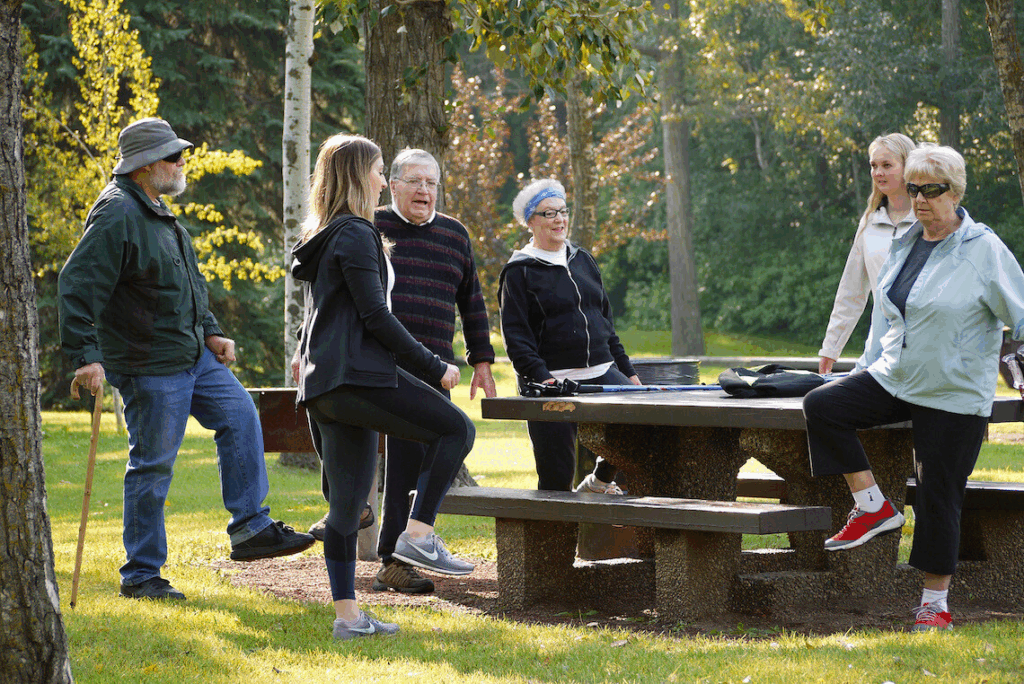
It strengthens through conversation, companionship, and quiet reassurance. A shared laugh. A listening ear. Someone saying, “You’re not on your own.”
We often think we need to be strong before reaching out, but more often, hope arrives through connection – not before it.
This is why community, routine, and human contact matter so deeply to long-term wellbeing.
Hope Is a Practice, Not a Personality Trait
Hope isn’t something you either have or don’t have.
It’s something you practice:
- By being kind to yourself
- By allowing rest without guilt
- By accepting that progress doesn’t have to be dramatic to be meaningful
Sometimes hope is nothing more than refusing to give up on yourself – even when you don’t yet know how things will improve.
And that is more than enough.
A Gentle Thought for the New Year
Hope doesn’t promise an easy road.
It promises movement.
And sometimes, movement – however small – is exactly what we need.
If today all you can manage is one small step forward, then that step is hope.
Take it.