
Why gentle strength-based movement may be more powerful than people realise.
When people think about heart health, they often think about walking, cycling, jogging or doing something that gets them out of breath.
And yes, aerobic exercise matters.
But there is another form of exercise that deserves more attention, especially as we get older:
light resistance circuit training.
This does not mean heavy bodybuilding.
It does not mean lifting big weights.
And it certainly does not mean pushing yourself until you are exhausted.
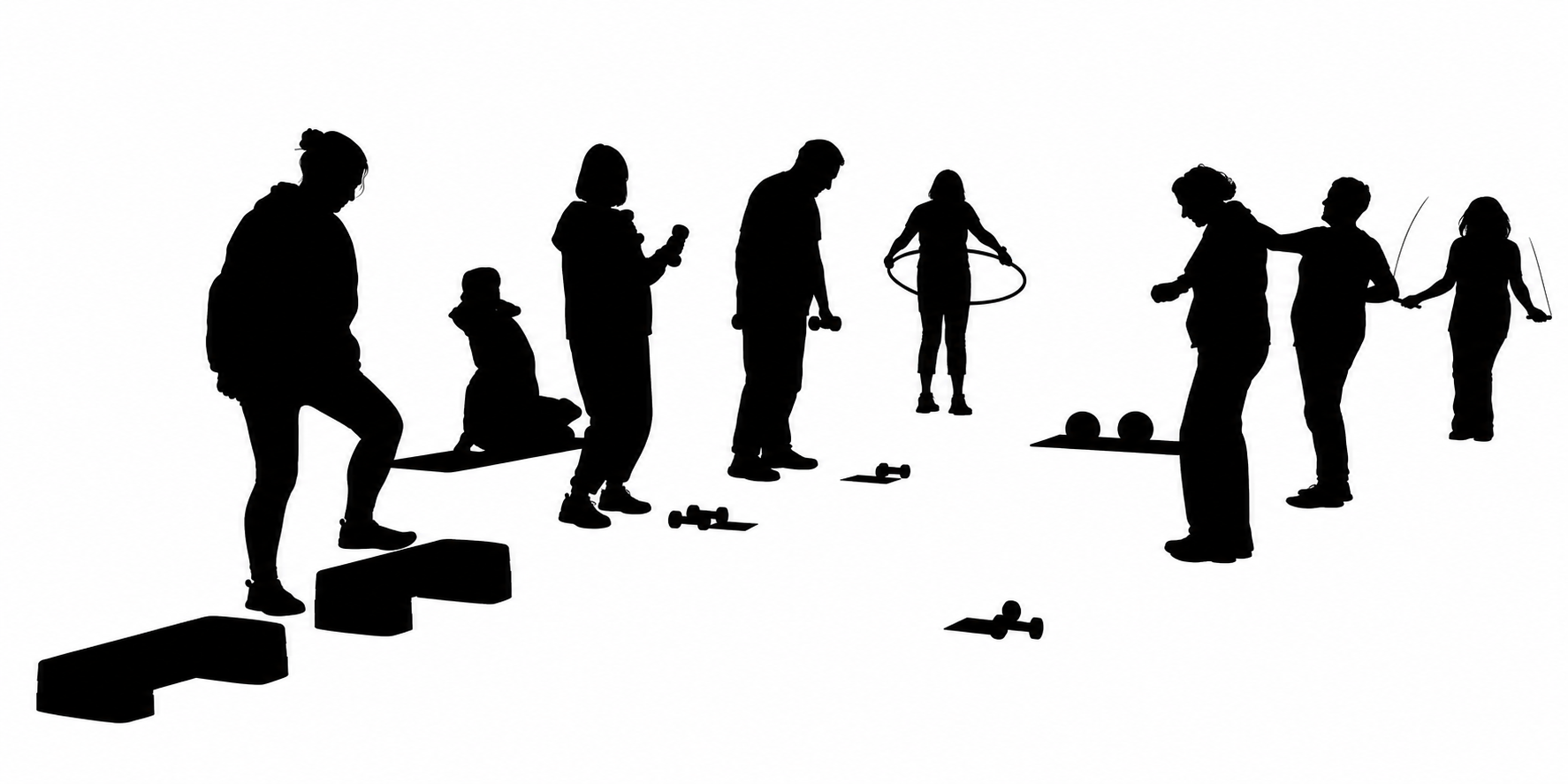
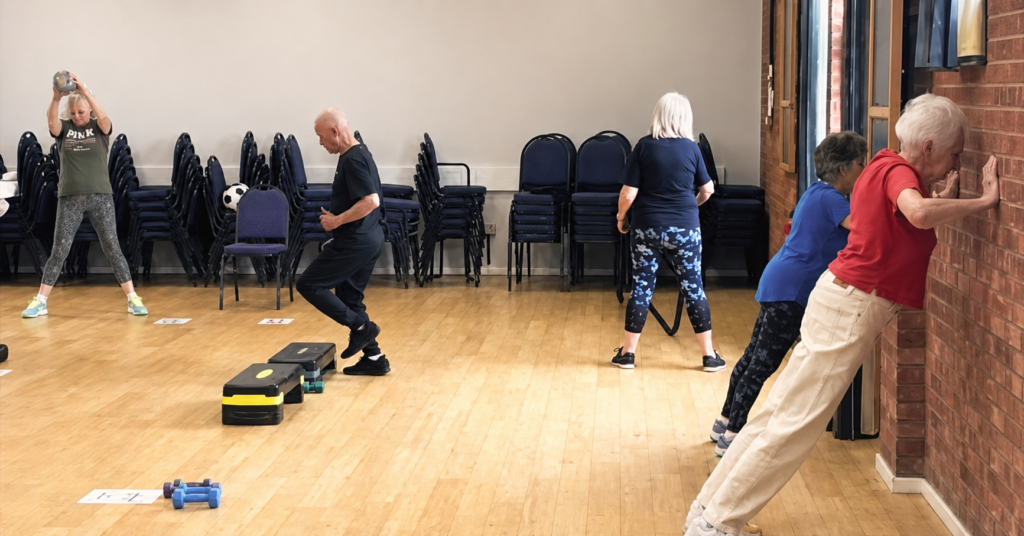
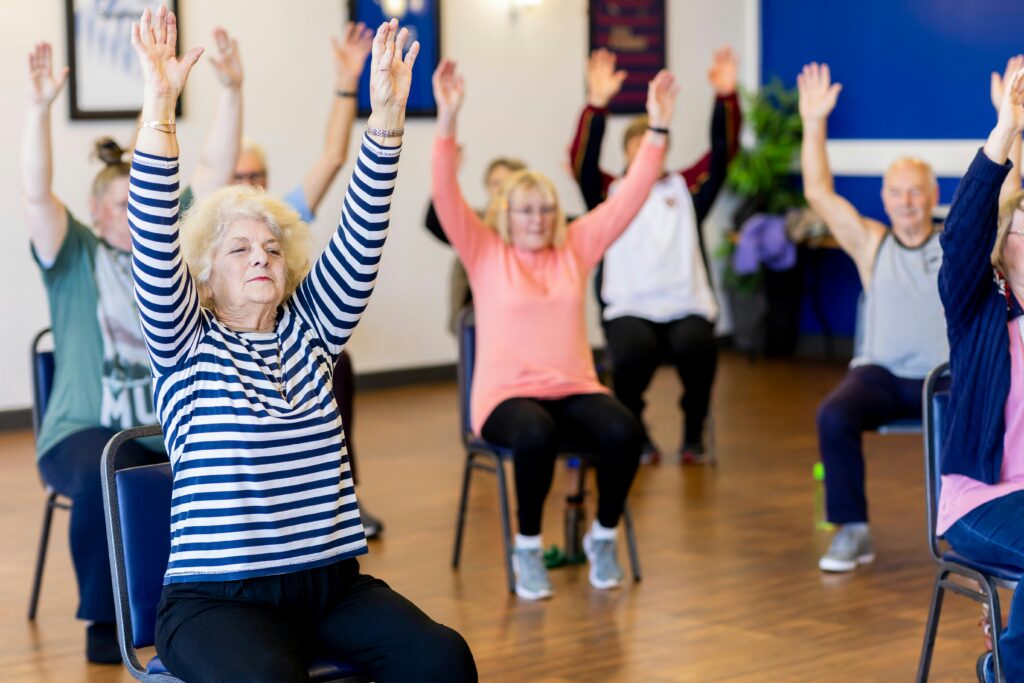
It simply means moving through a series of exercises using light resistance, body weight, resistance bands, small weights, steps, chairs or simple equipment — in a steady, controlled way.
For adults over 50, this can be one of the most practical ways to support heart health, stroke prevention and artery health.
Not because it performs miracles.
But because it helps the body work better in several important ways.
First, Let’s Clear Up Two Important Words
When we talk about artery health, two words often come up:
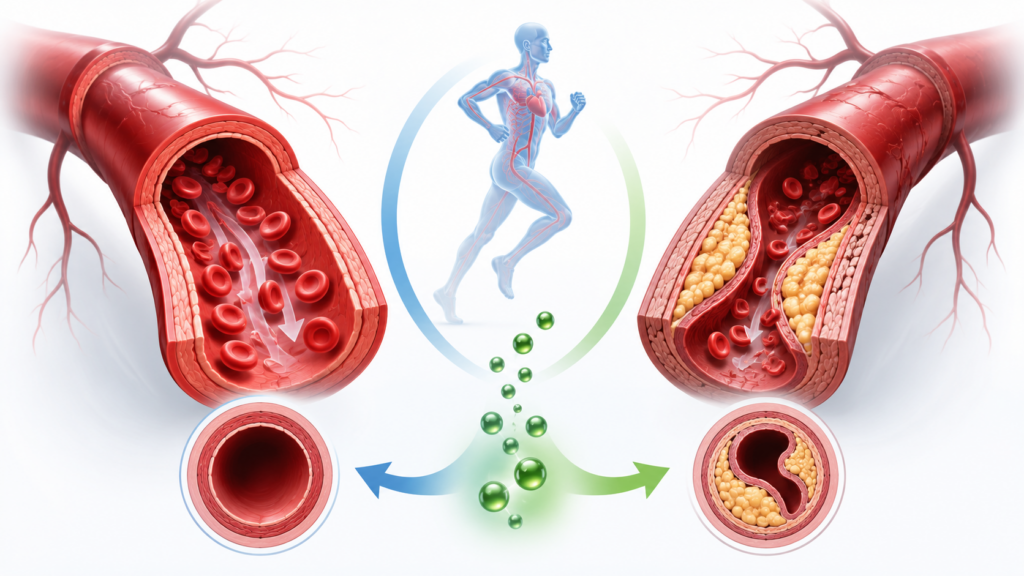
Atherosclerosis means plaque build-up inside the arteries.
This plaque can include fat, cholesterol, calcium and other substances. Over time, it can narrow the arteries and reduce blood flow.
Arteriosclerosis means hardening or stiffening of the arteries.
This makes the arteries less flexible and can increase pressure on the heart and blood vessels.
They are connected, but they are not exactly the same.
And this is important:
Light resistance circuit training will not remove plaque from the arteries.
That is not how exercise works.
But what it can do is help reduce several risk factors linked with heart disease and stroke, including high blood pressure, poor circulation, excess weight, poor blood sugar control, low fitness and long periods of sitting. The NHS states that regular physical activity can help reduce the risk of heart disease and stroke, and recommends strength activities as part of weekly movement.
So the message is not:
“Exercise clears your arteries.”
The safer message is:
“Exercise helps reduce some of the pressures and risk factors that damage the heart, blood vessels and arteries over time.”
That gives us a much stronger foundation.
Why Light Resistance Circuits Make Sense
The beauty of circuit training is that it combines several benefits in one session.
You move from one exercise to another, often with short rests in between.
That means the body has to:
- use the muscles
- raise the heart rate gently
- improve circulation
- practise balance and coordination
- reduce long periods of sitting
- work the arms, legs and trunk together
For older adults, this can be especially useful because it supports both strength and stamina.
You are not just training the heart.
You are training the body that the heart has to supply.
And that matters.
Because a healthy heart needs a body that still moves, lifts, stands, balances, walks and responds.
How It Supports Heart Health
Your heart is a pump.
Every time you move, your working muscles ask for more oxygen and blood flow. The heart responds by pumping more blood around the body.
Over time, regular movement can help improve cardiovascular fitness.
The British Heart Foundation says physical activity can reduce the risk of heart and circulatory diseases by up to 35%.
This is where light resistance circuit training fits in nicely.
It gives the heart a reason to work, but without necessarily placing the body under extreme strain.
A simple circuit might include:
- sit to stands
- step-ups
- wall press-ups
- resistance band rows
- marching on the spot
- heel raises
- light shoulder presses
- seated or standing core movements
Nothing fancy.
Nothing extreme.
Just useful movement, repeated consistently.
How It May Help Stroke Prevention
Stroke risk is strongly linked with factors such as high blood pressure, diabetes, high cholesterol, obesity, poor circulation and inactivity.
Exercise helps because it works on several of these areas at the same time.
The World Stroke Organization states that 30 minutes of exercise five times a week can reduce stroke risk by 25%, and that exercise helps reduce stroke risk factors including hypertension, diabetes, cholesterol, depression and stress.
This is why circuit training can be so valuable.
You are not relying on one benefit.
You are improving several systems together:
- heart and lungs
- muscles and joints
- blood sugar control
- circulation
- balance
- confidence
- body weight management
- general fitness
And you see, this is where exercise becomes more than “getting fit”.
It becomes protection.
Not guaranteed protection.
But sensible, practical, everyday protection.
The Nitric Oxide Effect: Why Movement Helps Blood Vessels Relax
There is another reason light resistance circuit training may help support artery health.
It involves something called nitric oxide.
This is easy to mix up.
Nitric oxide is the helpful molecule involved in blood vessel function.
Nitrous oxide is laughing gas.
So for artery health, we are talking about nitric oxide.
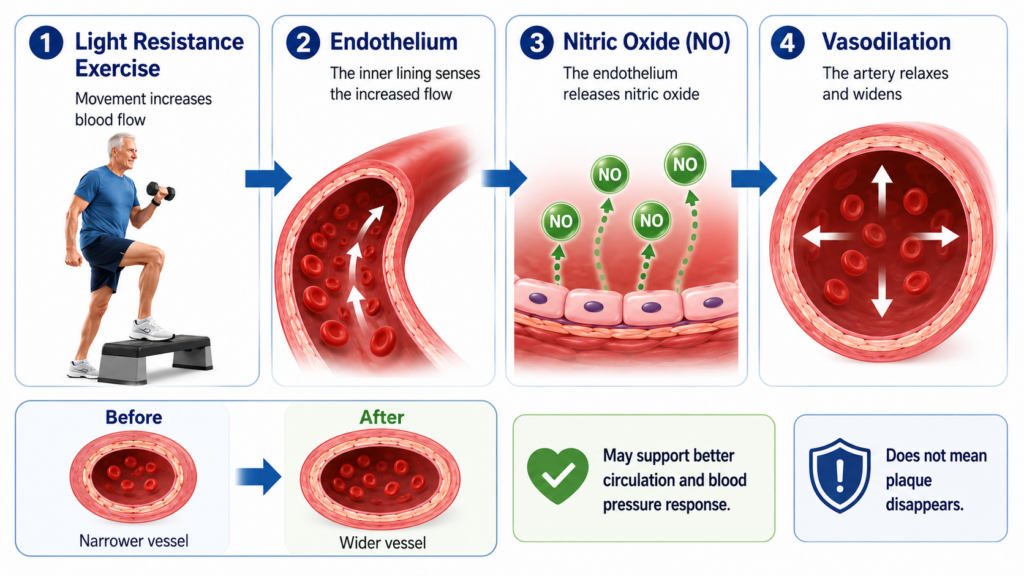
Nitric oxide is produced naturally in the body. One of its important jobs is helping blood vessels relax and widen. This process is called vasodilation.
When blood vessels relax properly, blood can flow more easily.
This may help support:
- healthier blood pressure
- better circulation
- improved blood vessel function
- better oxygen delivery to muscles
- more responsive arteries
The inner lining of the blood vessels is called the endothelium. When this lining is healthy, it helps the arteries respond properly to changes in blood flow.
Exercise training has been shown to improve nitric-oxide-dependent blood vessel relaxation in both large and small blood vessels.
In simple terms:
Movement wakes up the blood vessels.
When you exercise, blood flow increases. As blood moves through the vessels, it creates a gentle friction against the vessel wall. This is known as shear stress.
That shear stress stimulates the endothelium to produce more nitric oxide.
So when you use your legs, arms and trunk in a light resistance circuit, you are not only training muscles.
You are also encouraging the blood vessels to stay active, responsive and better able to relax.
That is a powerful idea.
Why This Matters for Artery Flexibility
As we get older, arteries can become stiffer.
Stiffer arteries do not expand and relax as well as younger, healthier arteries. This can increase blood pressure and place more strain on the heart.
Regular exercise may help support healthier arterial function by improving blood vessel responsiveness, circulation and nitric oxide availability.
But again, we need to be careful with the wording.
Light resistance circuit training does not make old arteries “young again”.
It does not remove plaque.
It does not reverse everything that has happened over decades.
But it may help the arteries behave better.
That means:
- better relaxation
- better blood flow
- better pressure control
- better response to movement
- better support for the heart
And that is still worth having.
Especially after 50.
Why Light Resistance Is Useful
Some people hear the word “resistance” and immediately think of heavy weights.
But resistance simply means the muscles have something to work against.
That could be:
- your own body weight
- a chair
- a wall
- a step
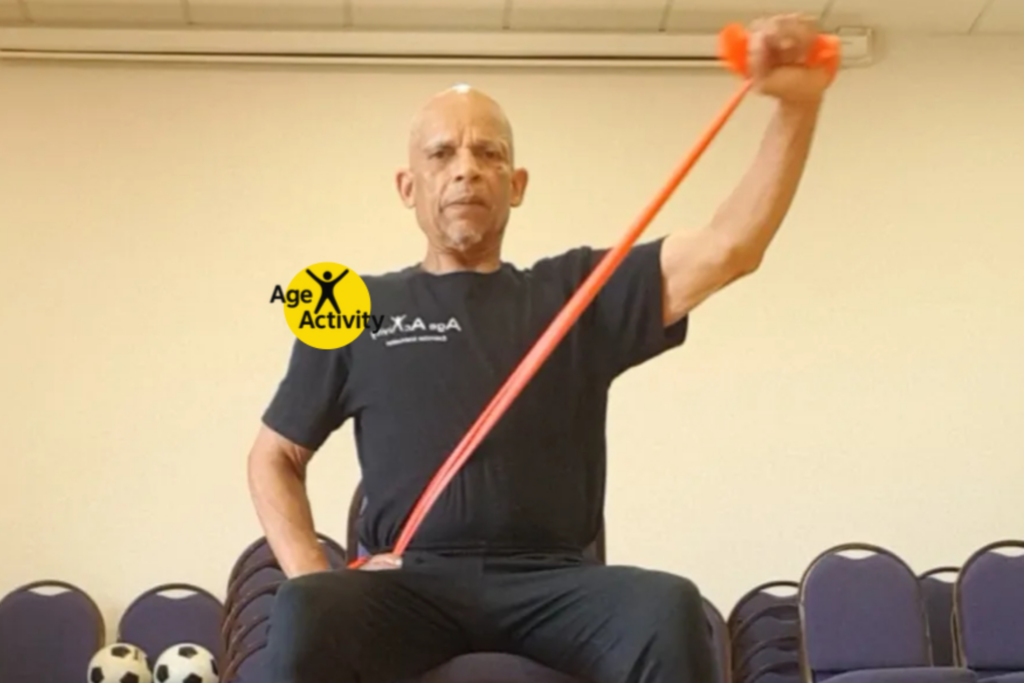
- a resistance band
- a light dumbbell
- a water bottle
- a medicine ball
- controlled movement against gravity
Light resistance is often enough to start with, especially for people who have been inactive, are returning to exercise, or are building confidence.
The American Heart Association recommends muscle-strengthening activity at least two days per week and also advises spending less time sitting, noting that even light activity can offset some of the risks of being sedentary.
This is where light resistance circuits are so useful.
They allow people to start where they are.
You can adjust:
- the resistance
- the speed
- the rest periods
- the number of stations
- the length of each exercise
- seated or standing versions
- supported or unsupported movements
That makes circuit training flexible.
And when exercise is flexible, people are more likely to keep doing it.
Why Sitting Is Part of the Problem
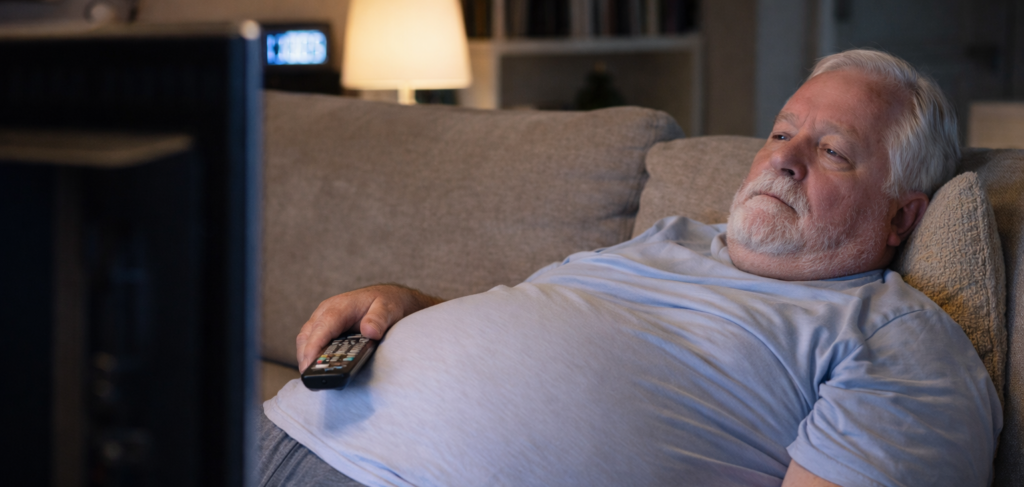
One of the hidden problems for many adults is not just lack of exercise.
It is too much sitting.
When you sit for long periods, the muscles are not doing much. Circulation slows, joints stiffen, posture changes, and the body gets used to doing less.
Over time, this can affect:
- leg strength
- balance
- blood sugar control
- circulation
- confidence
- mobility
- energy levels
Light resistance circuit training breaks that pattern.
You stand.
You step.
You press.
You pull.
You march.
You balance.
You breathe.
You move.
And sometimes that is exactly what the body has been missing.
A Simple Light Resistance Circuit
Here is a simple example:
Station 1: Sit to stand
Good for leg strength, independence and everyday movement.
Station 2: Wall press-ups
Good for chest, shoulders, arms and upper body strength.
Station 3: Resistance band rows
Good for posture, back strength and shoulder support.
Station 4: Marching on the spot
Good for circulation, coordination and raising the heart rate gently.
Station 5: Heel raises
Good for calves, ankles, balance and lower-leg circulation.
Station 6: Step-ups or toe taps
Good for leg strength, confidence and stair-climbing ability.
Station 7: Light shoulder press
Good for shoulder strength and reaching movements.
Station 8: Side steps or supported balance
Good for hip strength, balance and movement control.
You could work for 30 seconds and rest for 30 seconds.
Start with one round.
Then build gradually.
The aim is not to finish exhausted.
The aim is to finish thinking:
“I’ve done something useful.”
That is a good starting point.
How Hard Should It Feel?
For general health, especially over 50, light resistance circuit training should feel controlled.
You should feel warmer.
Your breathing may become deeper.
Your heart rate may rise.
Your muscles may feel worked.
But you should still feel in control.
A useful guide is this:
You should be able to speak, but not necessarily sing.
If you are gasping, dizzy, tight in the chest, or feeling unwell, stop and seek advice if needed.
Exercise should challenge the body.
But it should not frighten the body.
Who Should Be Careful?
If you have existing heart disease, chest pain, uncontrolled high blood pressure, unexplained breathlessness, dizziness, recent surgery, recent stroke, or you have not exercised for a long time, speak to your GP or health professional before starting.
The NHS advises speaking to a GP first if you have not exercised for some time or if you have medical conditions or concerns.
This is not about fear.
It is about matching the exercise to the person.
The right level of exercise can be very helpful.
The wrong level, too soon, can be too much.
Start light.
Build gradually.
Listen to the body.
Keep Well Reflection
For me, this is where light resistance circuit training really shines.
It is not just exercise for the sake of exercise.
It is practical movement with purpose.
You are helping the heart work.
You are waking up the muscles.
You are improving circulation.
You are encouraging the blood vessels to respond.
You are supporting nitric oxide production.
You are challenging balance.
You are breaking long periods of sitting.
You are giving the body a reason to stay capable.
And as we get older, that matters.
Because the goal is not simply to train harder.
The goal is to keep the body useful, responsive and ready for everyday life.
Final Thought
Light resistance circuit training will not remove plaque from the arteries.
But it can help support the body in ways that matter deeply for heart, stroke and artery health.
It may help improve blood pressure, circulation, blood sugar control, fitness, muscle strength and sitting habits.
It may also support nitric oxide production, helping blood vessels relax and respond more effectively to movement.
And sometimes, that is where better health begins.
Not with something extreme.
But with simple movement, done regularly.
Start light. Move well. Build gradually. Stay consistent.
Ready to Take a Closer Look at Your Health?
If this article has made you think about your energy, movement, weight, digestion, or general wellbeing, a Personal Wellness Review can help you understand where you are now and what simple steps could help you move forward.
We’ll look at your current lifestyle, nutrition, activity levels, and health goals – then identify realistic changes that fit your life.
Book Your Wellness Review