


First published: 26 May 2024 | Revised and updated: 25 October 2026
Category: Nutrition & Healthy Living
Supporting the Body’s Natural Cleansing Processes Through Better Water Quality
Introduction
Water is one of the most important considerations during a water fast. When food is temporarily removed from the diet, water becomes the primary source of hydration, making its quality particularly relevant.
From a naturopathic perspective, water fasting is traditionally viewed as an opportunity to support the body’s natural processes of regulation, maintenance and repair.
The principle is relatively simple: if the intention is to minimise unnecessary inputs into the body, it makes sense to consider the quality of the water we consume.
Although UK tap water is treated and regulated to meet established drinking-water safety standards, it may still contain small amounts of residual disinfectants, dissolved minerals and environmental contaminants.
Filtered water offers an additional means of reducing certain unwanted substances, depending on the filtration system used.
In this article, we explore the potential contaminants found in drinking water, the different methods of filtration available and why I personally favour filtered water during water fasting.
Understanding Water Contaminants
Before examining the different filtration methods, it is useful to understand why some people choose to filter their drinking water.
Water treatment is designed to make drinking water safe for consumption. However, meeting regulatory standards does not necessarily mean that every trace of an unwanted substance has been removed.
Depending on the source of the water, the treatment process and household plumbing, drinking water may contain various substances.
Chemical Contaminants
These may include:
- Chlorine and disinfection by-products.
- Trace pesticide and herbicide residues.
- Certain pharmaceutical residues.
- PFAS, sometimes referred to as forever chemicals.
- Other dissolved organic compounds.
Chlorine is deliberately added to drinking water to protect against harmful microorganisms. Although it serves an important public health purpose, some filtration systems can reduce residual chlorine and improve the taste and odour of water.
Heavy Metals
Potential contaminants include:
- Lead
- Arsenic
- Cadmium
- Mercury
These substances are not necessarily present in significant amounts in ordinary tap water.
However, lead may enter drinking water through older plumbing, while certain metals can occur naturally in water sources or arise from environmental contamination.
Long-term exposure to excessive concentrations of some heavy metals can have serious health consequences.
Biological Contaminants
Waterborne microorganisms may include:
- Bacteria
- Viruses
- Protozoan parasites, including Cryptosporidium and Giardia
Modern water treatment greatly reduces the risk of these organisms reaching household taps.
Nevertheless, contamination incidents can occur, and some microorganisms are more resistant to conventional disinfection than others.
For example, Cryptosporidium is resistant to normal drinking-water chlorination and requires other effective treatment barriers.
Physical Contaminants
These may include:
- Sediment
- Rust particles
- Sand
- Other suspended materials
Such substances can affect water clarity, appearance and taste.
The presence of visible particles does not automatically indicate a serious health risk, but it may suggest that the water supply or household plumbing requires attention.
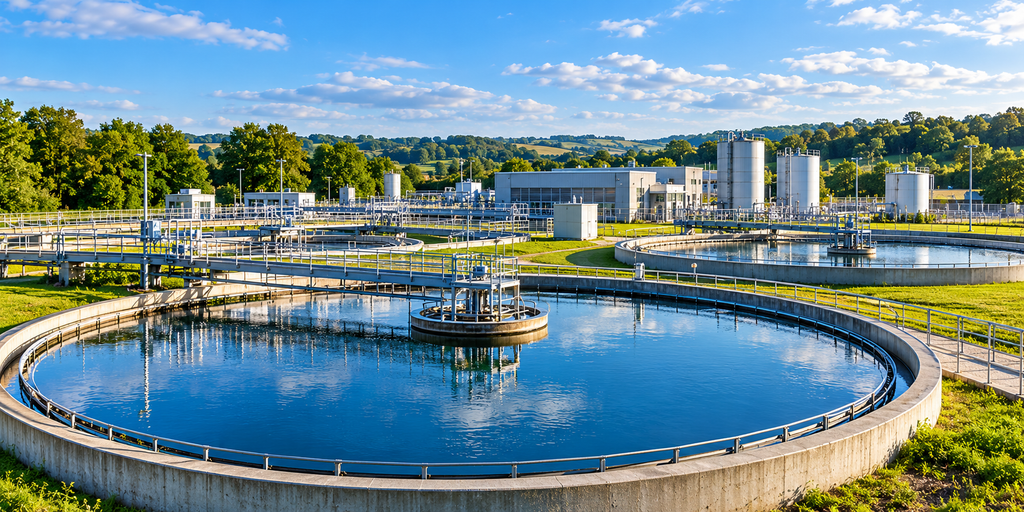
Types of Filtered Water
There are several methods of water filtration, each designed to remove or reduce different substances.
Understanding their strengths and limitations is important when choosing a system.
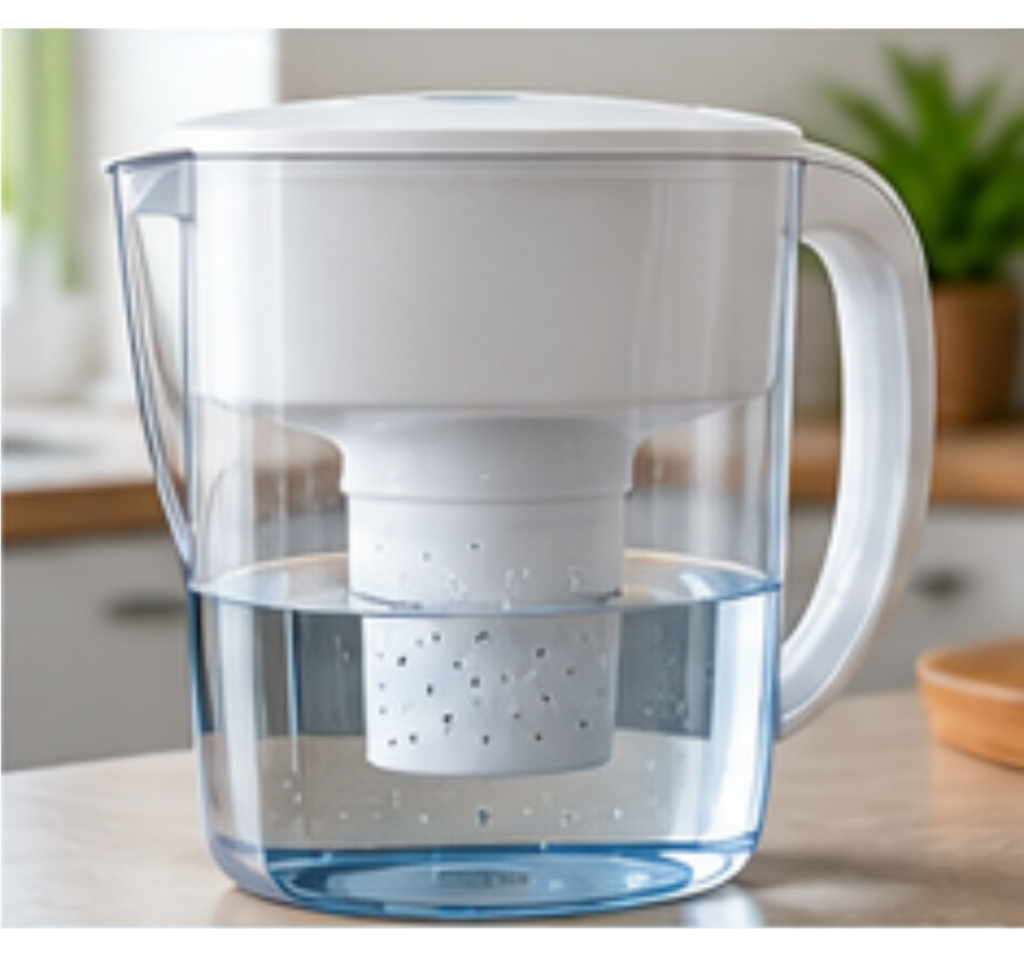
1. Activated Carbon Filters
How they work
Activated carbon filters contain highly porous carbon that attracts and retains certain substances through a process known as adsorption.
They are particularly useful for reducing chlorine, unpleasant tastes, odours and selected organic compounds.
Benefits
- Improves the taste and smell of drinking water.
- Can reduce chlorine and some disinfection by-products.
- May reduce certain pesticides and organic contaminants.
- Generally affordable and convenient.
Limitations
Not all activated carbon filters effectively remove heavy metals, fluoride, nitrates or microorganisms.
Performance depends on the type of carbon, filter design, contact time and maintenance.
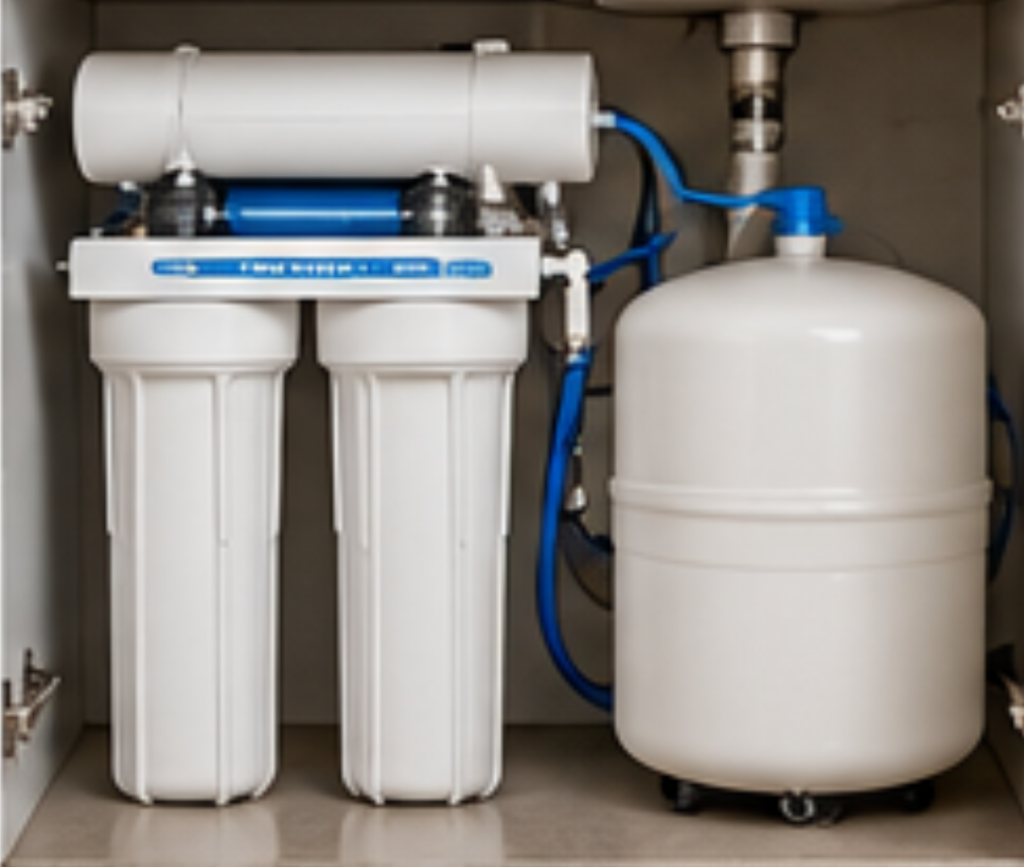
2. Reverse Osmosis (RO)
How it works
Reverse osmosis uses pressure to force water through a semi-permeable membrane.
The membrane separates water from many dissolved substances and contaminants.
Benefits
- Can substantially reduce dissolved salts and certain heavy metals.
- Effective against many contaminants, including fluoride, arsenic and nitrates, when properly designed and maintained.
- Can provide a high level of water purification.
Limitations
- May produce wastewater.
- Can be relatively slow.
- Requires regular maintenance.
- Removes some naturally occurring minerals, including calcium and magnesium.
Some systems include a remineralisation stage to restore selected minerals.
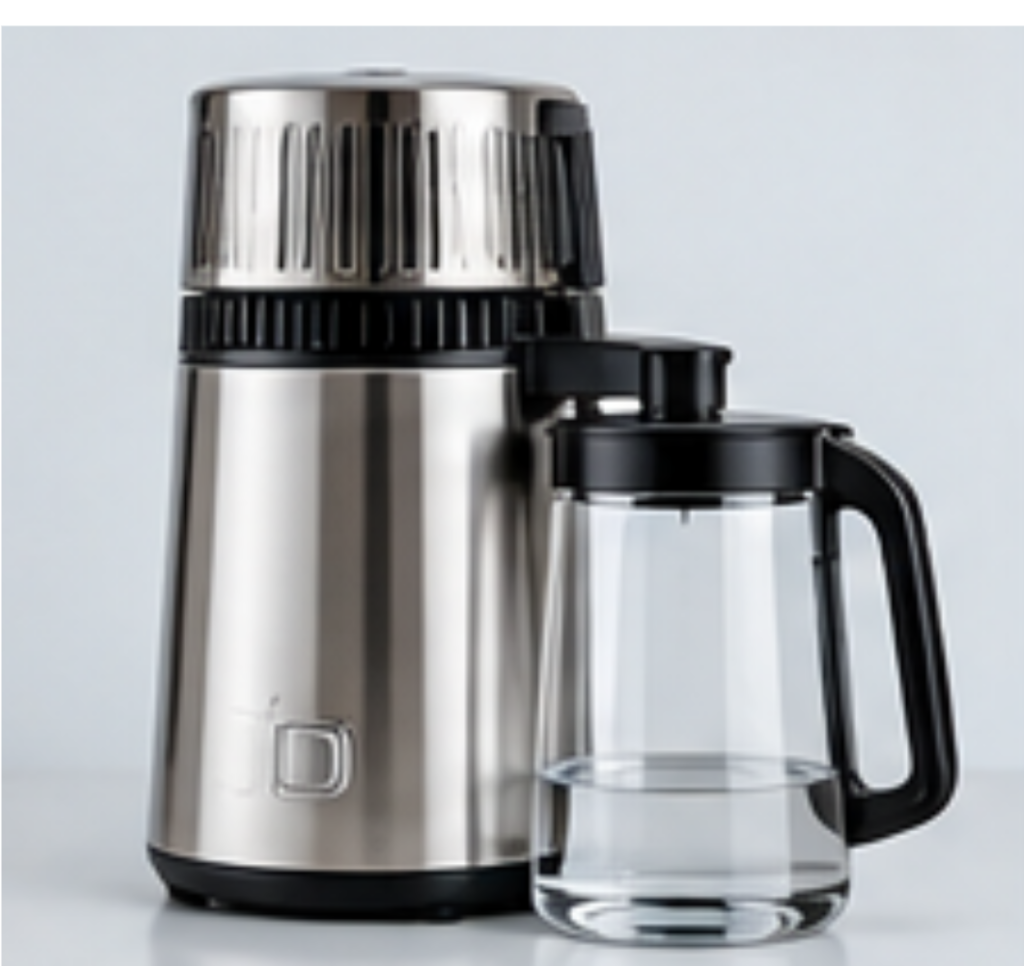
3. Distilled Water
How it works
Distillation involves heating water to produce steam and then cooling the steam back into liquid form.
Many dissolved substances remain behind during the process.
Benefits
- Removes most dissolved minerals and many heavy metals.
- Effectively separates water from many non-volatile contaminants.
- Produces water with a very low mineral content.
Limitations
- Some volatile chemicals may carry over unless additional treatment is used.
- Requires energy.
- Removes naturally occurring minerals.
- May have a flat taste.
Distilled water is not necessarily healthier than other forms of properly treated drinking water.
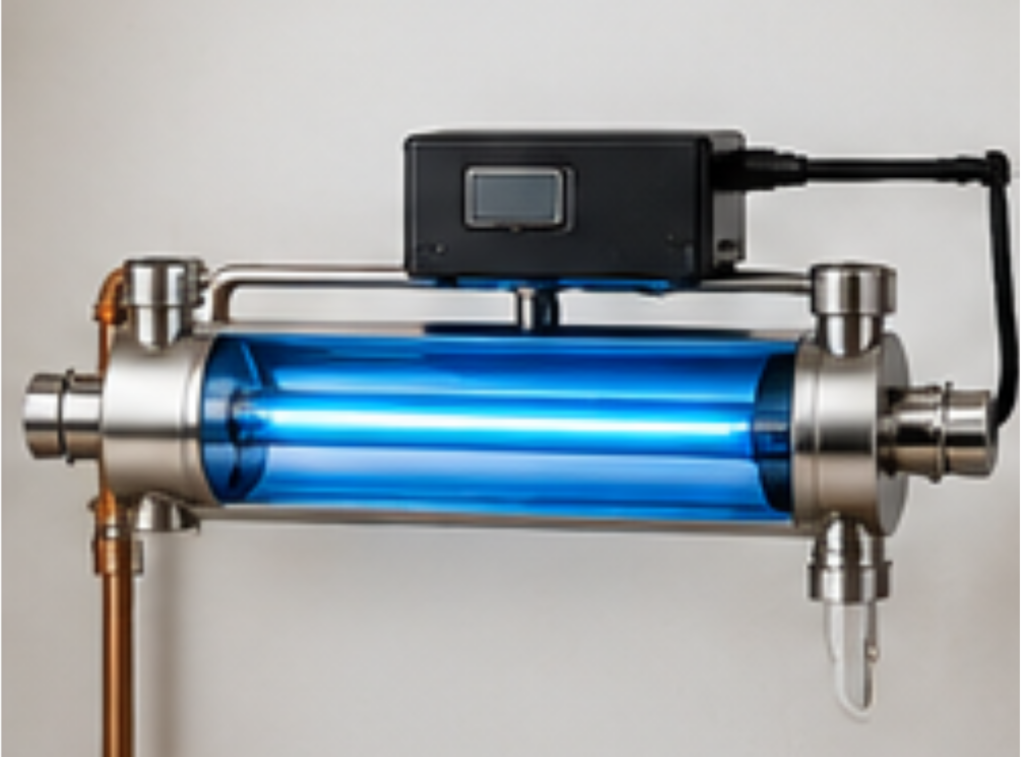
4. Ultraviolet (UV) Purification
How it works
UV purification exposes water to ultraviolet light, which damages the genetic material of microorganisms and prevents them from reproducing.
Benefits
- Effective against many bacteria, viruses and protozoa when correctly designed.
- Does not require the addition of chemical disinfectants.
- Does not significantly alter the taste of water.
Limitations
- Does not remove dissolved chemicals or heavy metals.
- Does not remove sediment.
- Requires electricity and appropriate maintenance.
- Effectiveness can be reduced by cloudy water.
UV treatment is often combined with other filtration methods.
5. Ion Exchange Filters
How they work
Ion exchange systems use specially designed resins to exchange certain dissolved ions in water for others.
Different resins are used for different purposes.
Benefits
- Can soften hard water by reducing calcium and magnesium.
- Specialised systems can remove selected dissolved contaminants.
- May reduce certain heavy metals when appropriately designed.
Limitations
- Effectiveness depends on the resin.
- Some systems require regeneration.
- Regular maintenance is necessary.
- Not all ion exchange systems remove microorganisms or organic chemicals.
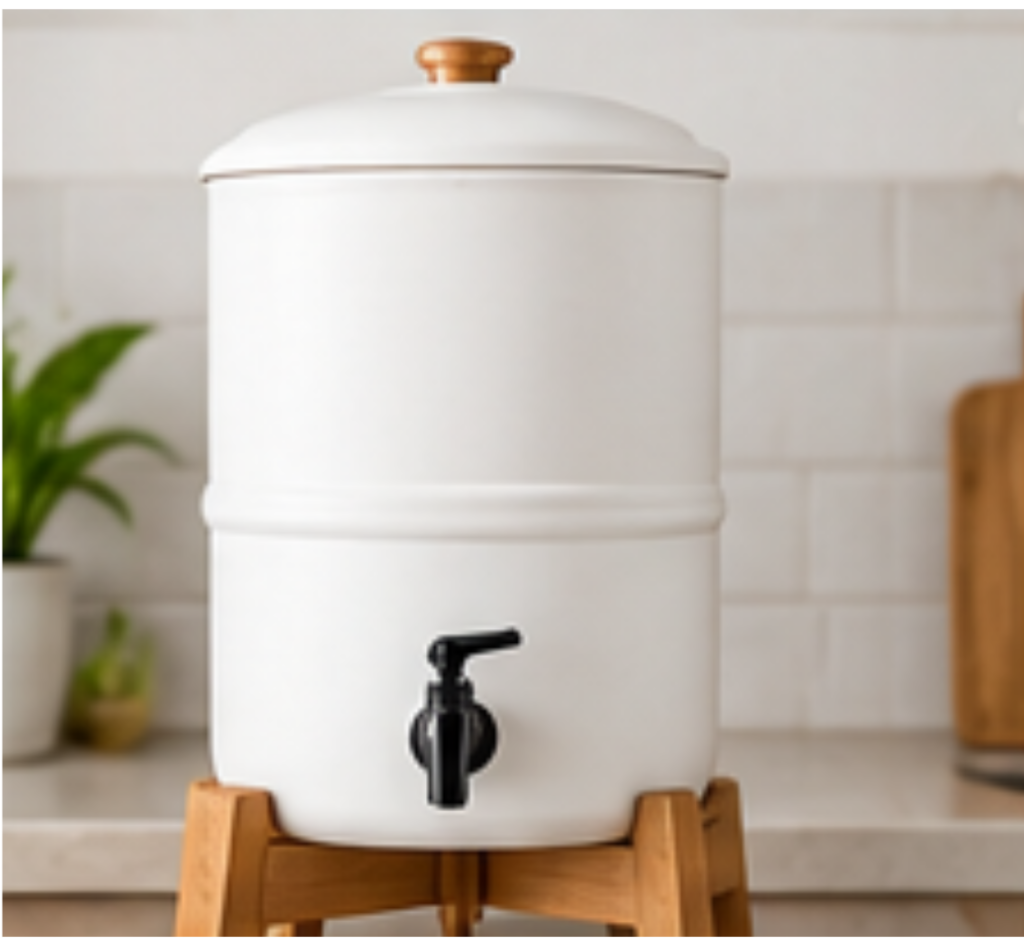
6. Ceramic Filters
How they work
Ceramic filters contain a porous material through which water passes.
The small pores physically trap particles and certain microorganisms.
Some systems combine ceramic filtration with activated carbon or other filtration media.
Benefits
- Can reduce sediment and suspended particles.
- Appropriately rated filters can remove many bacteria and protozoan cysts.
- Often reusable after careful cleaning.
- Can be suitable for gravity-fed filtration systems.
Limitations
- Basic ceramic filters may not reliably remove viruses.
- Chemical removal depends on any additional filtration media.
- Cleaning and maintenance are essential.
- Filtration performance varies between products.
Why I Believe Filtered Water Is Particularly Valuable During Water Fasting
My interest in filtered water comes from a broader approach to health and wellbeing.
During my studies in osteopathy, I was introduced to naturopathic principles that emphasised the body’s inherent capacity for self-regulation, maintenance and repair.
One of the central ideas behind this philosophy is that we should aim to provide the body with favourable conditions in which its natural processes can function.
I believe this principle is particularly relevant when considering water fasting.
1. Minimising Unnecessary Contaminant Exposure
The liver, kidneys and other organs are continuously involved in processing and eliminating metabolic waste and certain environmental substances.
From a naturopathic perspective, the intention behind fasting is often to reduce unnecessary dietary inputs while allowing normal physiological processes to continue.
With this in mind, I believe it makes sense to minimise avoidable exposure to unwanted contaminants in drinking water.
If the objective is to reduce unnecessary inputs into the body, why introduce substances that an effective filtration system could potentially remove?
This is the principle behind my personal preference for filtered water.
However, it is important to distinguish this reasoning from a proven medical benefit. Research has not established that drinking filtered water during fasting increases the rate at which the body eliminates toxins.
2. Supporting the Body’s Natural Elimination Processes
Our bodies possess sophisticated systems for maintaining internal balance.
The liver processes nutrients, medicines and numerous other substances, while the kidneys filter blood, regulate fluid and electrolyte balance, and eliminate waste products through urine.
These functions continue whether we are eating normally or fasting.
Adequate hydration is important for maintaining normal kidney function.
Although filtered water has not been shown to accelerate these processes, choosing appropriately filtered drinking water may reduce exposure to certain contaminants.
From my perspective, this is consistent with supporting the body’s natural regulatory systems.
3. Encouraging Good Hydration
One practical advantage of filtered water is that it may taste and smell more pleasant.
Reducing chlorine-related tastes and odours can make drinking water more enjoyable.
This may encourage people to maintain adequate hydration.
However, drinking excessive amounts of water is not beneficial and can be dangerous.
During fasting, fluid requirements vary according to body size, activity, temperature, health status and other factors.
Water-only fasting can also affect electrolyte balance, particularly when prolonged.
4. Providing an Additional Barrier Against Certain Contaminants
A properly selected and maintained water filter can offer additional protection against specific substances.
For example, some filtration systems are designed to reduce lead, selected organic chemicals or protozoan cysts.
However, no single filtration method removes every possible contaminant.
The effectiveness of a filter depends on its design, certification, condition and suitability for the substances being targeted.
It is also important to remember that poorly maintained filters can themselves become contaminated.
5. Supporting a Broader Approach to Healthy Living
For me, choosing filtered water is not simply about fasting.
It forms part of a broader approach to nutrition and healthy living that includes:
- Eating nutritious, minimally processed foods.
- Maintaining regular physical activity.
- Supporting digestive health.
- Obtaining adequate rest and sleep.
- Maintaining good hydration.
- Reducing unnecessary exposure to environmental contaminants where practical.
I believe these everyday habits are more important than relying on occasional fasting or detox programmes.

Does Filtered Water Improve Detoxification During Fasting?
This is an important question.
The word detoxification is frequently used in natural health discussions, but it can mean different things.
In medical science, detoxification refers to specific physiological processes through which the body transforms, neutralises or eliminates substances.
These processes occur continuously.
In naturopathic traditions, detoxification is often discussed more broadly as supporting the body’s natural cleansing and elimination functions.
Water fasting is sometimes promoted as a means of encouraging these processes.
Research into fasting has identified changes in metabolism, insulin signalling and cellular pathways associated with stress responses and autophagy.
However, these findings should not be interpreted as proof that fasting removes environmental toxins or that longer fasts necessarily provide greater health benefits.
Similarly, there is currently insufficient clinical evidence that filtered water improves fasting-related detoxification compared with drinking safe, unfiltered tap water.
Nevertheless, choosing water that contains fewer unwanted contaminants remains a reasonable personal preference, particularly when filtration addresses substances known to be present.
Choosing the Right Water Filter
When selecting a water filtration system, there are several factors worth considering.
Identify the Contaminants of Concern
Different water supplies have different characteristics.
A local drinking-water quality report can help identify substances that are routinely monitored.
Household plumbing may also influence water quality, particularly in older properties.
Consider Filtration Performance
Choose a system that has been independently tested or certified for the specific contaminants you want to reduce.
A filter designed to improve taste may not necessarily remove lead, fluoride, PFAS or microorganisms.
Consider Maintenance
All filtration systems require appropriate care.
Depending on the design, this may involve:
- Replacing filter cartridges.
- Cleaning filtration components.
- Sanitising storage containers.
- Monitoring water flow.
- Following the manufacturer’s replacement schedule.
Consider Cost and Practicality
Filtration systems vary considerably in price.
A more expensive system is not automatically more effective.
The best choice depends on water quality, filtration requirements, maintenance costs and household needs.
An Important Note About Water Fasting and Safety
Although water fasting has a long history within various cultural, religious and naturopathic traditions, it is not suitable for everyone.
Extended fasting may cause:
- Dehydration.
- Dizziness and low blood pressure.
- Electrolyte disturbances.
- Low blood glucose, particularly in people taking certain medicines.
- Fatigue and reduced physical performance.
- Loss of lean body mass.
- Complications when food is reintroduced after prolonged fasting.
People with diabetes, kidney disease, eating disorders or other significant medical conditions should not undertake prolonged fasting without appropriate medical guidance.
Fasting during pregnancy or breastfeeding is also generally discouraged.
Water quality alone cannot make prolonged fasting safe.
Anyone considering a multi-day water-only fast should seek appropriate medical advice and supervision rather than relying on hydration alone.
Conclusion: Clean Water and the Body’s Natural Balance
Filtered water has long been my personal preference, particularly when considering periods of water fasting.
My reasoning is rooted in a simple naturopathic principle: support the body’s natural ability to maintain balance by providing favourable conditions and minimising unnecessary exposures.
The human body is remarkably capable of regulating its internal environment through complex and interconnected physiological systems.
The liver, kidneys, digestive system and other organs work continuously to maintain this balance.
Although there is no convincing evidence that filtered water accelerates detoxification during fasting, a suitable filtration system can reduce certain unwanted substances in drinking water.
For me, this makes filtered water a sensible choice within a broader approach to healthy living.
Ultimately, maintaining good health is not about finding a single solution or following occasional detox programmes.
It is about the choices we make consistently – through nutrition, movement, hydration, rest and the environment in which we live.
Good health begins with the everyday decisions we make to support our bodies.
Further Support
If you would like guidance on developing healthier nutrition and lifestyle habits, a Personal Wellness Review can help you identify practical changes suited to your individual needs.
Book your Personal Wellness Review and start building a healthier routine that works for you.
Cedric A. Murray
Health, Nutrition & Exercise Coach
Keep Well Nutrition and Health
Strength Through Health
Stay well. Keep moving 🌿
References and Further Reading
World Health Organization (2022). Guidelines for Drinking-water Quality: Fourth Edition Incorporating the First and Second Addenda. Geneva: WHO.
Drinking Water Inspectorate. Drinking Water Quality in England. Official publications and guidance on drinking-water standards, monitoring and treatment.
Gudden, J., Arias-Vasquez, A. and Bloemendaal, M. (2021). The effects of intermittent fasting on brain and cognitive function. Nutrients, 13(9), 3166. DOI: 10.3390/nu13093166.
Herkert, N.J. et al. (2020). Assessing the effectiveness of point-of-use residential drinking water filters for perfluoroalkyl substances (PFASs). Environmental Science & Technology Letters, 7(3), pp. 178–184. doi: 10.1021/acs.estlett.0c00004.
MacKeown, H. et al. (2024). Removal of perfluoroalkyl and polyfluoroalkyl substances from tap water by means of point-of-use treatment: A review. Science of the Total Environment. Available at: PubMed.
Purchase, J.M. et al. (2025). Household point-of-use faucet filters for lead removal: Field performance and user experiences. ACS ES&T Water. Available at: PubMed Central.
Shabkhizan, R. et al. (2023). The beneficial and adverse effects of autophagic response to caloric restriction and fasting. Advances in Nutrition, 14(5), pp. 1211–1225. DOI: 10.1016/j.advnut.2023.07.006.
Tinsley, G.M. and La Bounty, P.M. (2015). Effects of intermittent fasting on body composition and clinical health markers in humans. Nutrition Reviews, 73(10), pp. 661–674. DOI: 10.1093/nutrit/nuv041.
Vasim, I., Majeed, C.N. and DeBoer, M.D. (2022). Intermittent fasting and metabolic health. Nutrients, 14(3), 631. DOI: 10.3390/nu14030631.

