


When “Just in Case” Isn’t Always Best
Not long ago, I heard about an older adult who underwent surgery to remove a non-malignant tumour. The operation was described as a precaution – nothing urgent, but “just in case.”
Sadly, the recovery was long, painful, and left her weaker than before.
It made me pause and ask:
Are all medical interventions in later life truly necessary?
Or are some done simply because we can, not because we should?
In this guide, we’ll explore how caution in healthcare can sometimes lead to harm – and how older adults and their families can make safer, more thoughtful decisions.
Are We Improving Life – or Just Adding Treatment?

Understanding the Precautionary Principle
The precautionary principle in healthcare is about acting early to prevent future harm – for example, removing a lump before it becomes dangerous.
This approach can work well in younger, resilient patients.
But in older adults, particularly those living with frailty, the situation is different.
Procedures that seem “routine” may lead to:
- Complications
- Longer recovery times
- Loss of independence
That’s why decisions in later life must consider not just the condition – but the whole person.
Frailty: The Missing Piece in Many Decisions
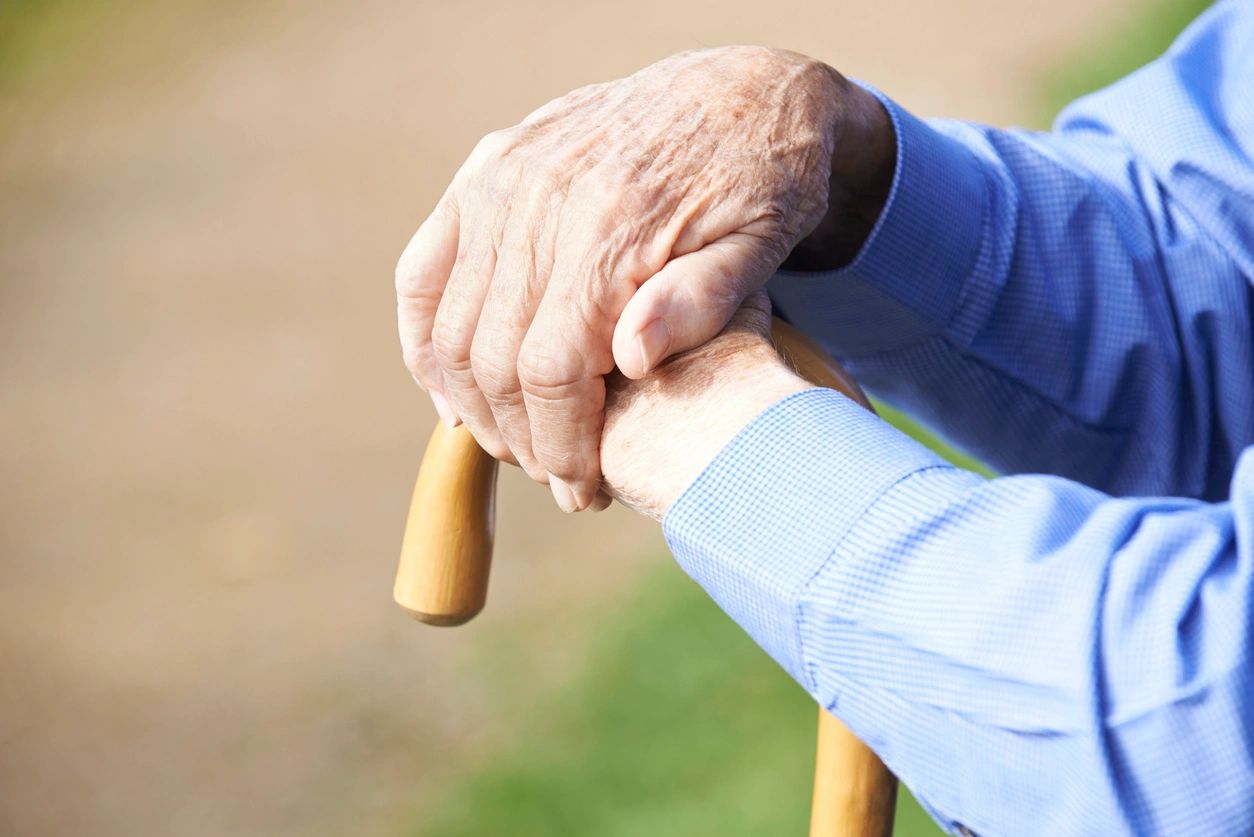
Frailty assessment is one of the most important – yet often overlooked – parts of elderly care.
Frailty isn’t about age alone.
It’s about how the body responds to stress.
A frail person may:
- Take much longer to recover
- Struggle to regain independence
- Experience complications from “minor” procedures
Yet, this is rarely discussed in routine appointments.
👉 If you’re making healthcare decisions for someone over 75, asking about frailty assessment can change everything.
When Less Is More: Avoiding Overtreatment
In many situations, the safest and most effective option is not doing more – but doing less.

Before agreeing to treatment, pause and ask:
- Is this urgent – or can we monitor it?
- Will this help me live better, or just longer?
- What happens if we do nothing right now?
- Has frailty been assessed?
- What is recovery likely to look like at my age?
Often, focusing on comfort, mobility, and peace of mind provides far greater benefit than additional intervention.
Risks of Surgery in Later Life
The risks associated with surgery increase significantly with age and frailty.
Older adults may experience:
- Ongoing fatigue or breathlessness
- Delayed healing
- Confusion or delirium
- Hospital-acquired infections
- Reduced mobility and independence
These outcomes are not always fully discussed.
👉 Asking for geriatric specialist input can give a clearer, more realistic picture.
Supporting Better Decisions for Ageing Well
Families and caregivers play a key role in supporting older adult health and wellbeing.
You can help by:
- Attending appointments
- Asking clear, calm questions
- Slowing the decision-making process
- Focusing on what truly matters to the individual
Ageing well isn’t about doing everything possible.
It’s about doing what is right for that person.
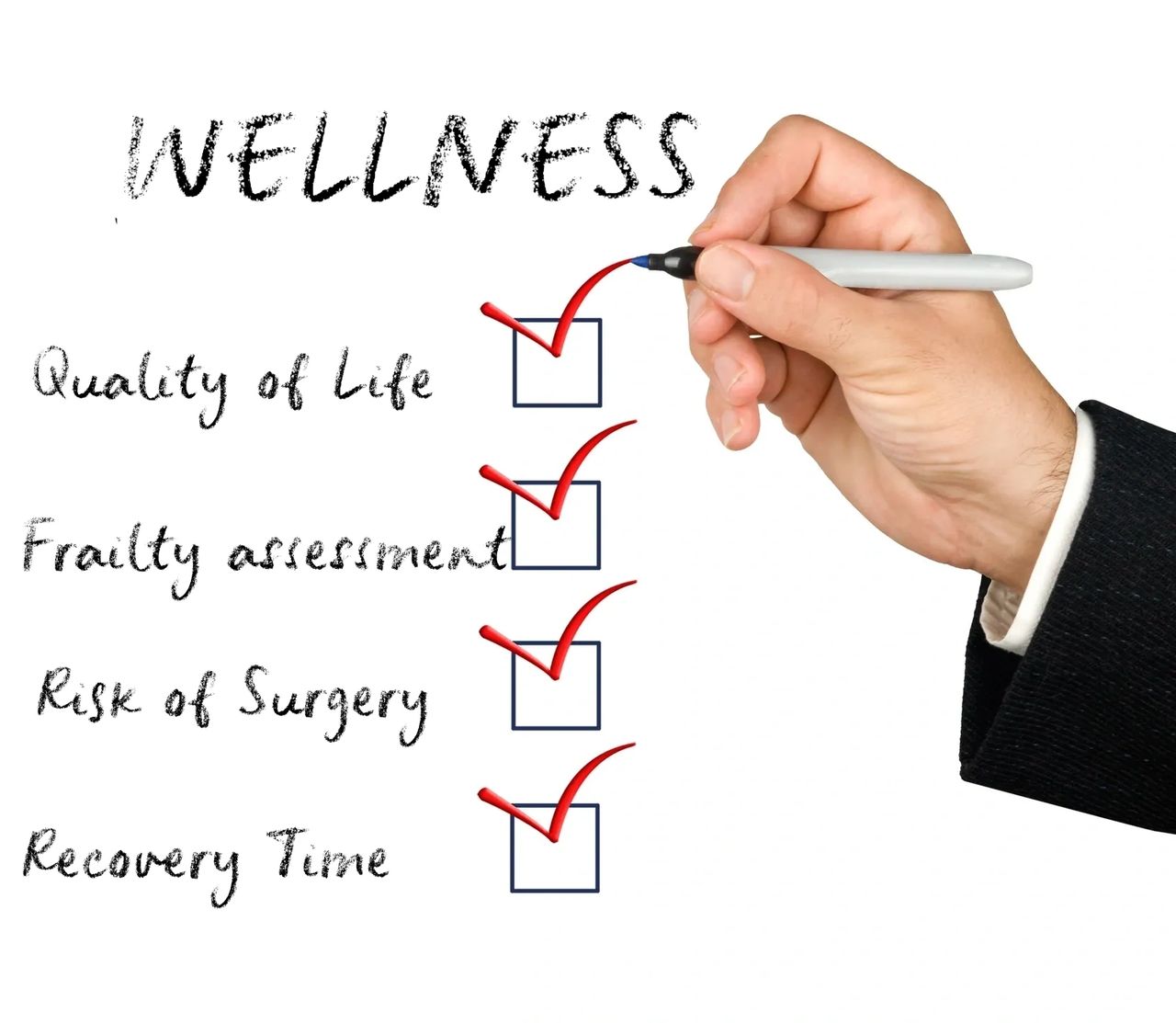
Download: Medical Decision Checklist
We’ve created a simple, practical tool to help guide conversations:
👉 Checklist for Older Adults & Their Families
Take it to appointments.
Use it before agreeing to:
- Surgery
- Scans
- New medications
Download the checklist here

Keep Well Reflection
Taking care of your health today can reduce the need for treatment tomorrow.
But when treatment is offered, thoughtful decisions matter just as much as prevention.
Final Thought: Choosing Quality of Life
There’s no one-size-fits-all approach to later life care.
The goal isn’t simply to live longer –
but to live well, with independence, dignity, and clarity.
So next time a decision comes up, pause and ask:
Will this help me live better – or is it just another procedure?
When we lead with compassion and clarity, we support not just longevity
but quality of life.
Need help making sense of your next step?
A Personal Wellness Review gives you time to step back, look at the full picture, and make calm, informed choices about your health and wellbeing.
It is not about pressure or quick fixes — it is about clarity, confidence, and choosing what supports your quality of life.
Book a Personal Wellness Review👉 Book your session today and move forward with clarity, not pressure.
Reference:
WHO (2015) World Report on Ageing and Health
British Geriatrics Society (2021) Fit for Frailty
Dyer et al. (2020) Journal of Elder Abuse & Neglect
Inouye et al. (2014) Journal of the American Geriatrics Society
NICE (2015) Multimorbidity NG56
Oliver et al. (2014) King’s Fund
Tinetti et al. (2016) JAMA Cardiology
UK Government Office for Science (2021)