
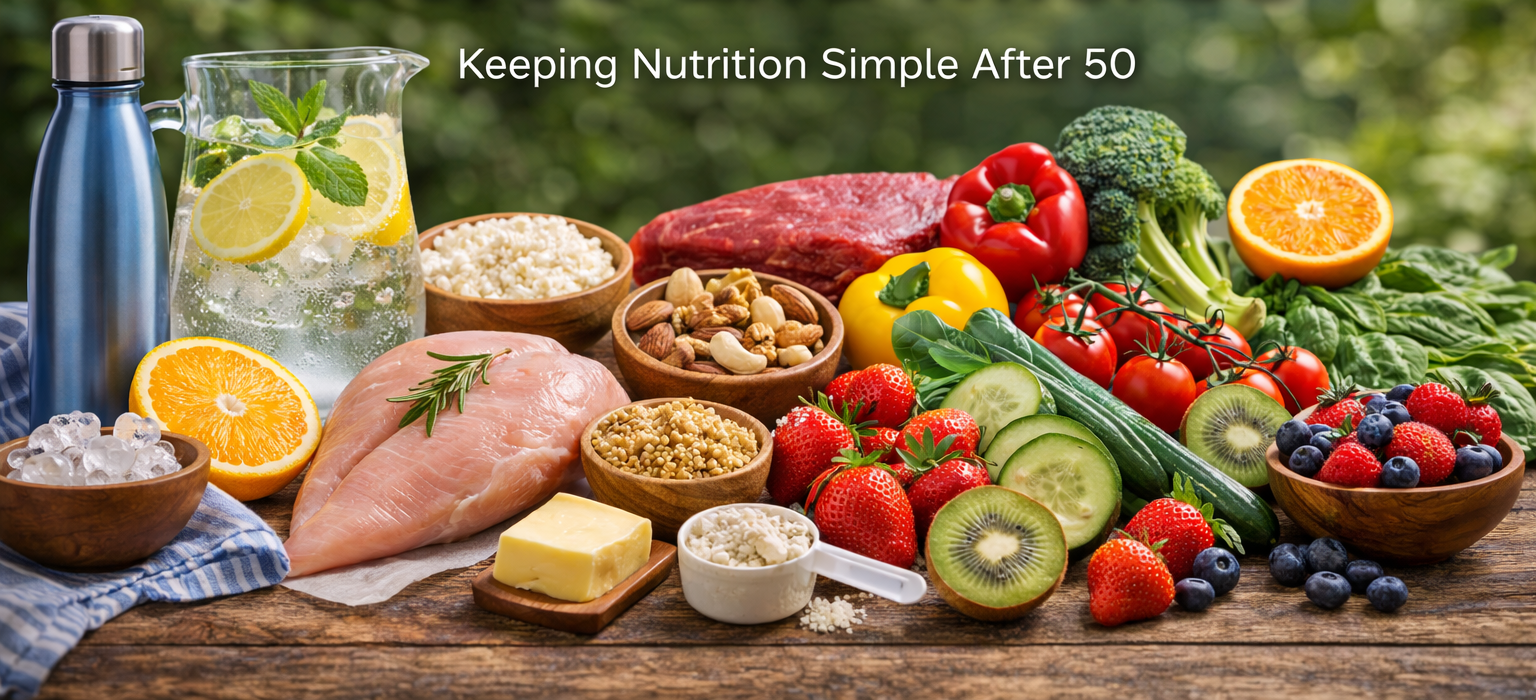

“Most people think eating well is complicated…
macros… micros… plans… diets…
But your body actually keeps things very simple.”
As you go through your day, your body is constantly using food – not just for energy, but to repair, rebuild, and keep everything working properly.
The problem is, with so much information out there, it’s easy to feel overwhelmed.
So let’s bring it back to basics.
What Are Macronutrients?
Macronutrients are the main types of nutrients your body needs in larger amounts.
There are three:
- Protein
- Fats
- Carbohydrates
Each one plays a different role in keeping your body strong and functioning well.
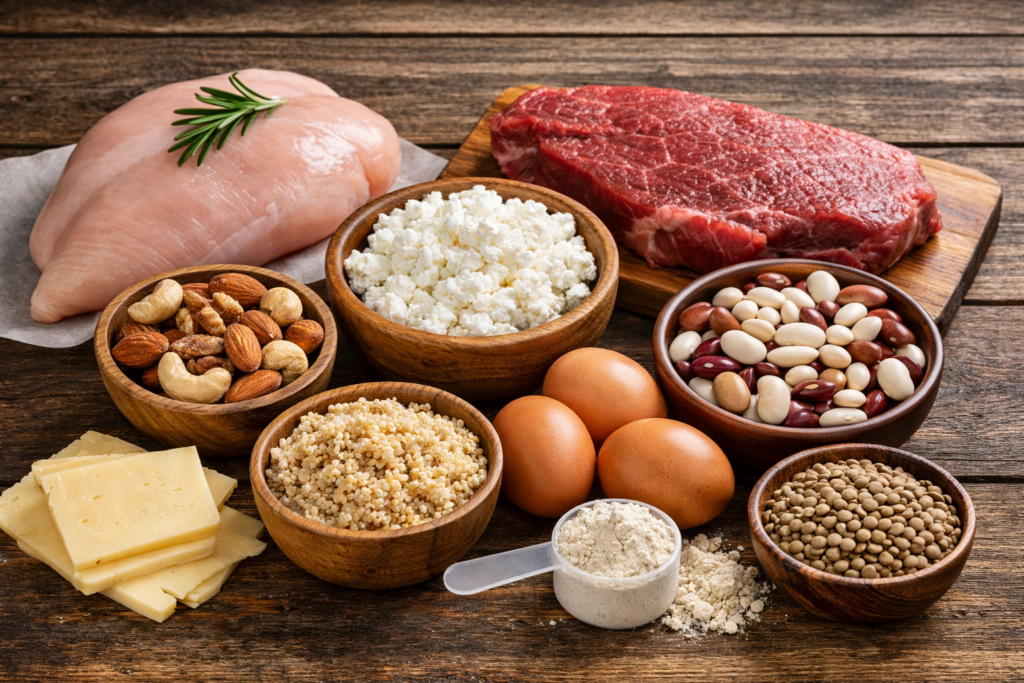
Protein – Repair and Strength
Protein helps repair and maintain your body.
It supports:
- Muscles
- Tissues
- Immune system
As we get older, this becomes even more important.
Without enough protein, it becomes harder to maintain strength and recover properly.
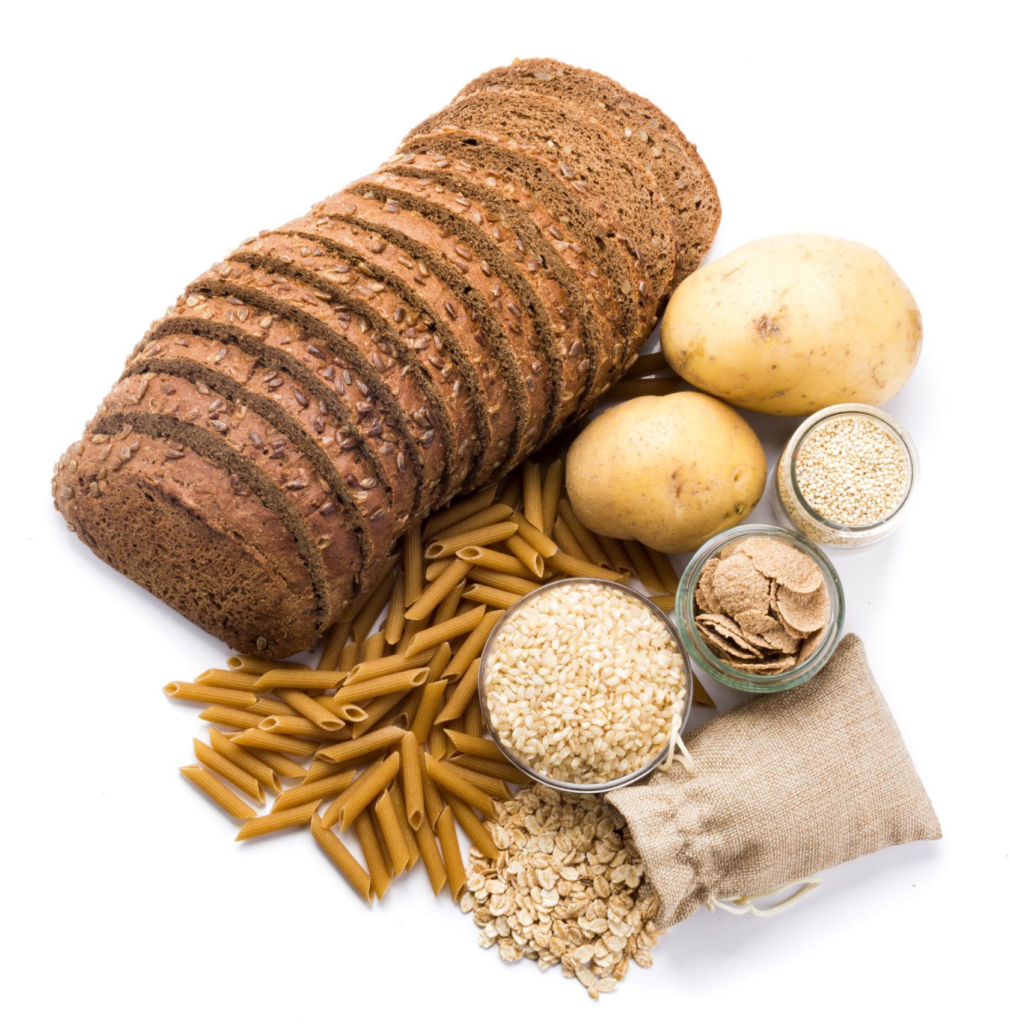
Carbohydrates – Your Energy Source
Carbohydrates are your body’s quick energy.
They help you:
- Move
- Think clearly
- Stay active
If you don’t have enough, you may feel tired, low in energy, or even a bit flat.
Foods closer to natural tend to support you better…
but even small amounts of more refined carbohydrates can still have a place.
It’s about balance… not perfection.
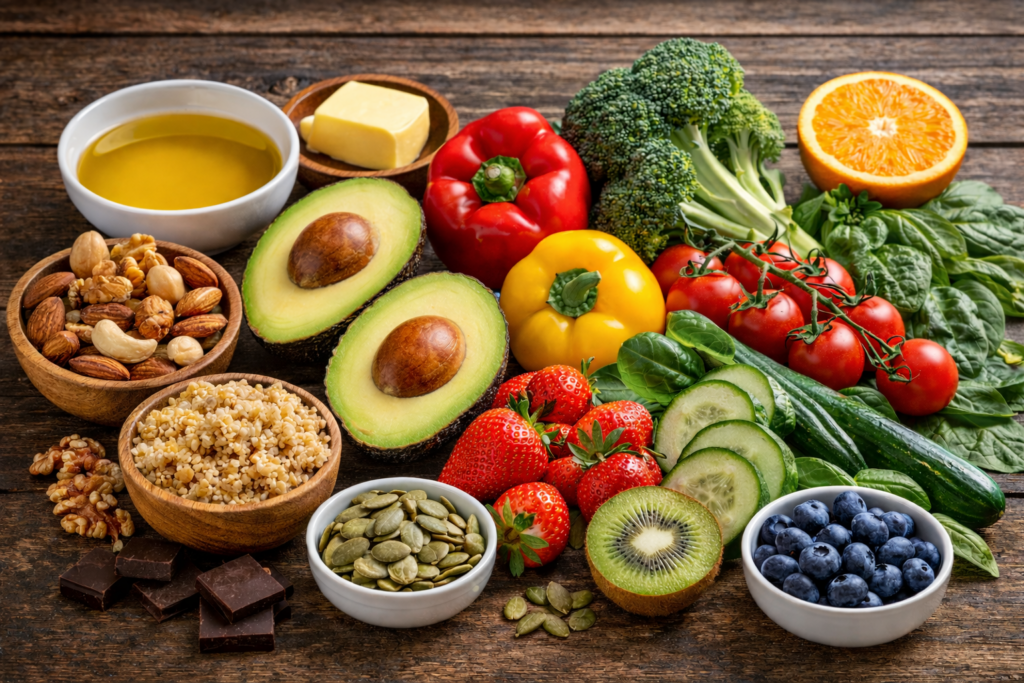
Fats – Support and Stability
Fats are often misunderstood, but they are essential.
They support:
- Brain health
- Hormones
- Joint function
And even at a basic level…
your body uses fats – including cholesterol – to help build and maintain your cells.
They’re also a steady source of energy, especially during longer periods of activity.
What Are Micronutrients?
Micronutrients are the smaller nutrients your body still needs every day.
These include:
- Vitamins
- Minerals
They help everything run properly, including:
- Bones
- Immune system
- Energy production
This is where fruits and vegetables play an important role.
And one that’s often overlooked…
Vitamin D – which your body can get from sunlight.
A bit of regular daylight can help support your bones, immune system, and overall wellbeing.
Keep It Simple – A Practical Way to Look at Meals
Instead of overthinking nutrition, try this simple approach:
- Does my meal contain some protein?
- Is there a bit of fat?
- Is there some carbohydrate?
- Am I getting some vitamins and minerals (something colourful)?
This simple check can go a long way.
It Doesn’t Have to Be Perfect
Where you can, lean towards food that’s closer to natural and not overly processed.
But it doesn’t have to be organic or grass-fed.
👉 It just needs to be enough to support your body.
Consistency matters more than perfection.
Don’t Forget Hydration
Water is often overlooked.
Even mild dehydration can leave you feeling:
- Tired
- Low in energy
- Foggy in your thinking
Drinking regularly throughout the day makes a difference.

Final Thoughts
You don’t need to get everything perfect.
You just need to give your body enough of what it needs – on a regular basis.
Small changes, done consistently, make a big difference.
👉 Ready to Take the Next Step?
If you’d like help simplifying your nutrition and building a plan that works for you:
Book a Personal Wellness Review
This simple approach to nutrition for over 50s helps support energy, strength and long-term wellbeing without overcomplicating food.