


Discover why your calorie needs are unique, influenced by body size, muscle, movement, and daily activity. Learn how to estimate your energy needs without getting trapped by one-size-fits-all numbers.
How Many Calories Do You Really Need?
If you’ve ever searched online for how many calories you should eat each day, you’ve probably seen all kinds of different answers.
One place says 2,000 calories.
Another says 1,800.
Another says 2,500.
So which one is right?
The honest answer is this:
Your calorie needs are personal to you.
They are not just based on a chart, a number, or what someone else is eating. They depend on your body, your daily movement, your muscle, your age, and how much energy you actually use.
And that matters, especially as we get older.
What Are Calories?
Calories are simply a measure of energy.
Your body uses energy all day long, even when you are resting. It needs energy to keep your heart beating, your lungs breathing, your brain working, your temperature steady, and your muscles functioning.
Then, on top of that, your body uses extra energy for movement.
Walking.
Climbing stairs.
Exercising.
Gardening.
Shopping.
Housework.
Even standing up from a chair.
So when we talk about calories, we are really talking about fuel.
Not something to fear.
Not something to obsess over.
Just fuel for the body.

What Determines Your Calorie Needs?
The two biggest factors are:
1. Your Body Size and Composition
Larger bodies usually need more energy to function.
That’s because there is simply more body tissue to support. Your heart, lungs, muscles, organs, and nervous system all need fuel to keep working properly.
But it’s not just about body weight.
Body composition matters too.
Muscle uses more energy than fat. So someone with more muscle may naturally need more fuel, even if they are the same weight as someone else.
This is one reason why strength and movement are so important after 50. Muscle is not just about looking strong. It helps support balance, metabolism, posture, independence, and daily energy.
2. Your Daily Activity Level
The more you move, the more energy your body uses.
This includes formal exercise, but it also includes everyday movement.
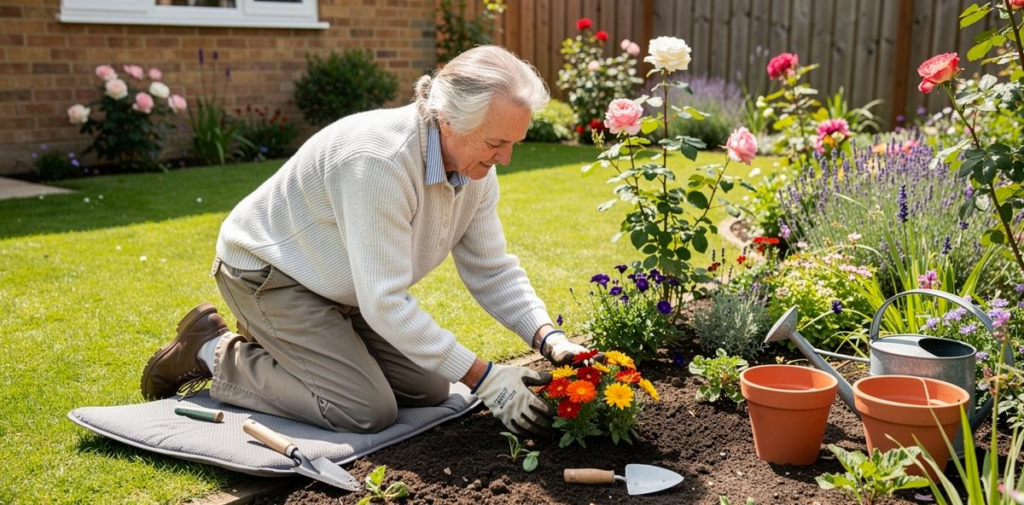
A person who walks regularly, climbs stairs, attends exercise classes, gardens, or stays active around the house will usually need more calories than someone who sits for most of the day.
And this is where many people get confused.
They compare their food intake with someone else’s, without comparing their movement, muscle, body size, or lifestyle.
But two people can eat very differently and both be right for their own body.
Why Calorie Calculators Are Only Estimates
Online calorie calculators can be useful as a starting point.
But they are not perfect.
They usually ask for things like:
- age
- sex
- height
- weight
- activity level
Then they estimate how many calories you may need.
But they do not truly know:
- how much muscle you have
- how active you are day to day
- how well you sleep
- how stressed you are
- what medications you take
- how your appetite changes
- how your metabolism responds
So use calorie calculators as a guide, not as a rule.
They can point you in the right direction, but they should not replace common sense or body awareness.
Why Understanding Your Calorie Needs Matters
Understanding your own calorie needs can help you avoid some common mistakes.
Some people eat too little because they think lower calories are always better.
But if you are active, older, or trying to rebuild strength, eating too little can leave you feeling tired, weak, cold, irritable, or unable to recover properly.
Others may eat more than their body needs, especially if movement has reduced over time.
The key is not to panic about calories.
The key is to understand the relationship between food, movement, energy, and body size.
When you understand that, food becomes less about restriction and more about support.
A Simple Way to Think About Daily Calories
Think of your body like a vehicle.
A bigger vehicle needs more fuel.
A vehicle that travels further needs more fuel.
A vehicle carrying more load needs more fuel.
Your body works in a similar way.
If you are larger, more muscular, or more active, you usually need more fuel.
If you are smaller, less active, or recovering from illness, your needs may be different.
But here’s the important bit:
Your needs can change from day to day.
A day with a long walk, exercise class, shopping trip, or gardening may require more fuel than a quiet day at home.
That’s normal.
You don’t have to eat the exact same amount every day.
Listen to Your Body Too
Numbers can help, but your body gives you clues as well.
Pay attention to:
- energy levels
- hunger
- mood
- strength
- sleep
- recovery
- cravings
- concentration
- performance during exercise
If you are constantly tired, hungry, light-headed, or struggling to recover, you may not be eating enough.
If you are gaining weight steadily and movement is low, you may be eating more than your body currently needs.
The body is always giving feedback.
The skill is learning to listen.

Keep Well Reflection
Calories are not the enemy.
They are energy.
The real question is not simply:
“How many calories should I eat?”
A better question is:
“What does my body need for the life I am asking it to live?”
Because a body that moves, thinks, repairs, balances, walks, climbs, carries, and keeps going needs proper fuel.
Especially as we get older.
Final Thought
Your calorie needs are not fixed.
They are shaped by your body, your muscle, your movement, your age, and your daily life.
So instead of chasing a generic number, start by understanding your own body.
Feed it well.
Move it regularly.
And let food support your strength, energy, and independence.
Try Our Quick Calorie Quiz
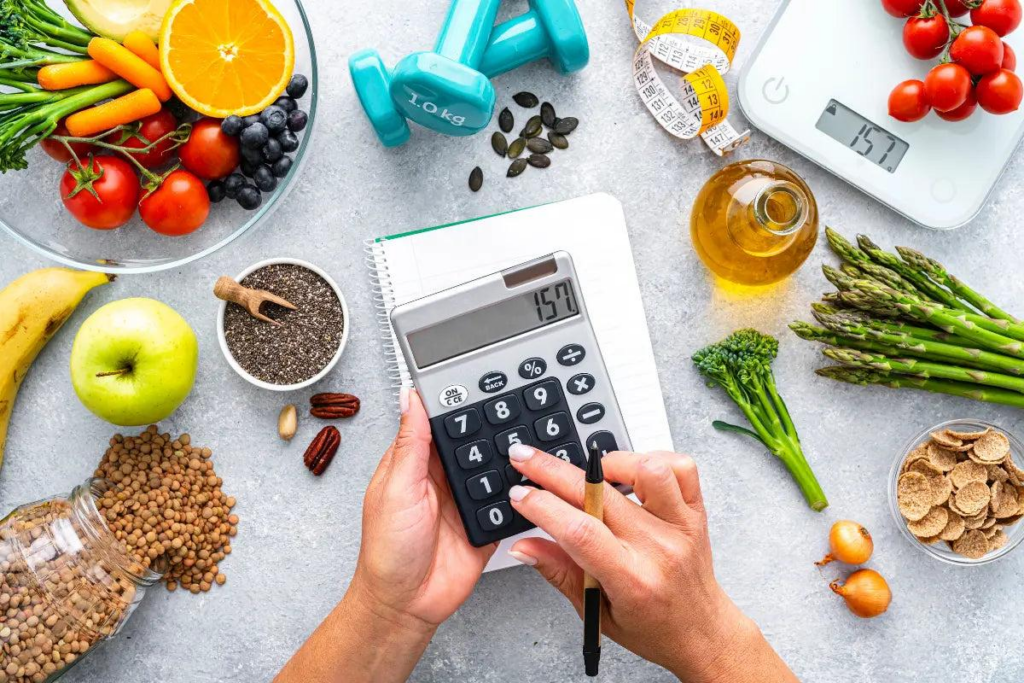
Curious about your personal calorie range?
Take our quick interactive quiz to see how your body size and activity level may influence your daily energy needs.
This quiz is designed to give you a helpful starting point – not a strict rule.
Use it as guidance, then adjust based on your energy, appetite, movement, and wellbeing.
How Many Calories Do You Really Need?
Use this simple quiz to estimate your daily calorie needs based on your body size, age, and activity level. This is a guide — not a strict rule.
Your Estimated Daily Calories
A Personal Wellness Review can help you understand your energy, food habits, movement, and wellbeing in a more practical way.
Book a Personal Wellness Review