

Nobody Will Ever Care About Your Health as Much as You Do
When many people think about health, they often think about doctors, hospitals, prescriptions, tests, and treatments.
And while modern healthcare can be life-saving and incredibly important, there is another side to health that often gets overlooked:
The everyday choices we make ourselves.
Because the truth is:
Nobody will ever care about your health as much as you do.
That may sound harsh at first, but it is actually empowering.
It means you have more influence over your future wellbeing than you may realise.
Health Is Built Daily
Many of the things that shape long-term health happen quietly over time.
Not in operating theatres.
Not in emergency rooms.
But through everyday habits.
Things like:
- movement
- sleep
- nutrition
- hydration
- stress levels
- muscle strength
- balance
- social connection
- time spent sitting
- recovery after illness
These small daily actions may not feel dramatic, but over months and years they can have a huge effect on:
- energy
- mobility
- confidence
- independence
- resilience
- quality of life
Healthcare Can Support You – But It Cannot Live for You
Doctors can diagnose illness.
Surgeons can perform operations.
Medication can sometimes help manage symptoms or save lives.
But no healthcare system can:
- walk for you
- strengthen your legs
- improve your sleep habits
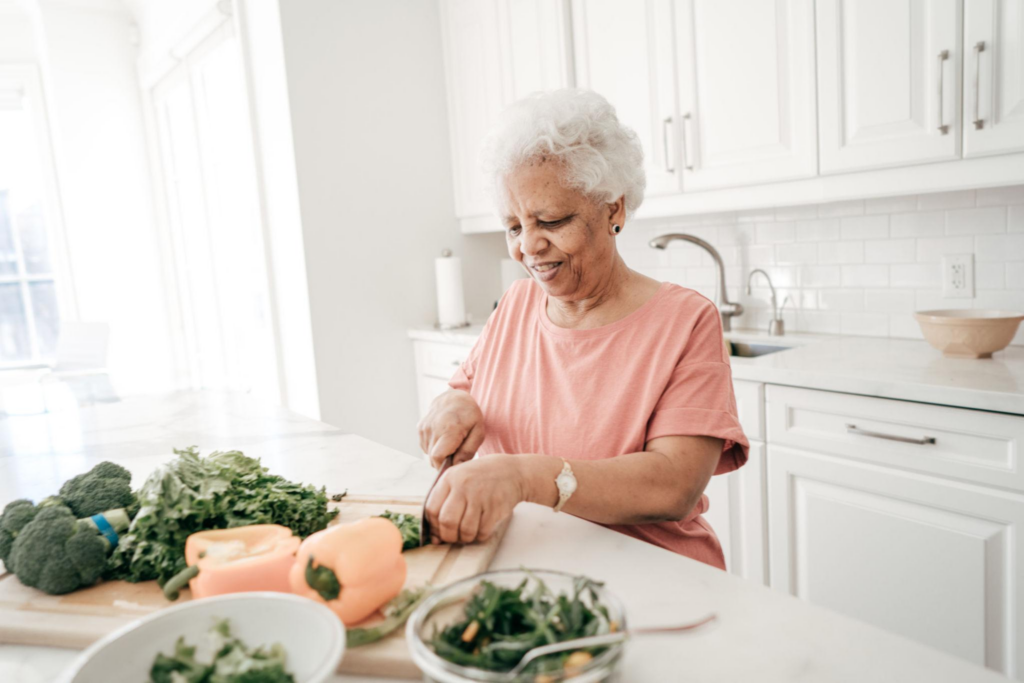
- prepare healthy meals
- reduce your daily inactivity
- build your balance
- improve your stamina
- manage your stress levels every day
Those things usually come down to personal responsibility and daily choices.
Small Choices Become Bigger Outcomes
Health decline rarely happens overnight.
Often it develops gradually through:
- years of inactivity
- loss of muscle mass
- poor eating habits
- lack of movement
- poor sleep
- chronic stress
- sitting too much
- ignoring warning signs
The encouraging part is that positive changes work the same way.
Small improvements repeated consistently can slowly rebuild:
- strength
- stamina
- mobility
- confidence
- flexibility
- balance
- movement control
The body is remarkably adaptable – even later in life.
Taking Responsibility Does Not Mean Perfection
Taking responsibility for your health does not mean:
- never getting ill
- never needing medical care
- becoming obsessive
- eating perfectly
- blaming yourself for every health problem
It means becoming more aware and more involved in your own wellbeing.
Sometimes responsibility simply means:
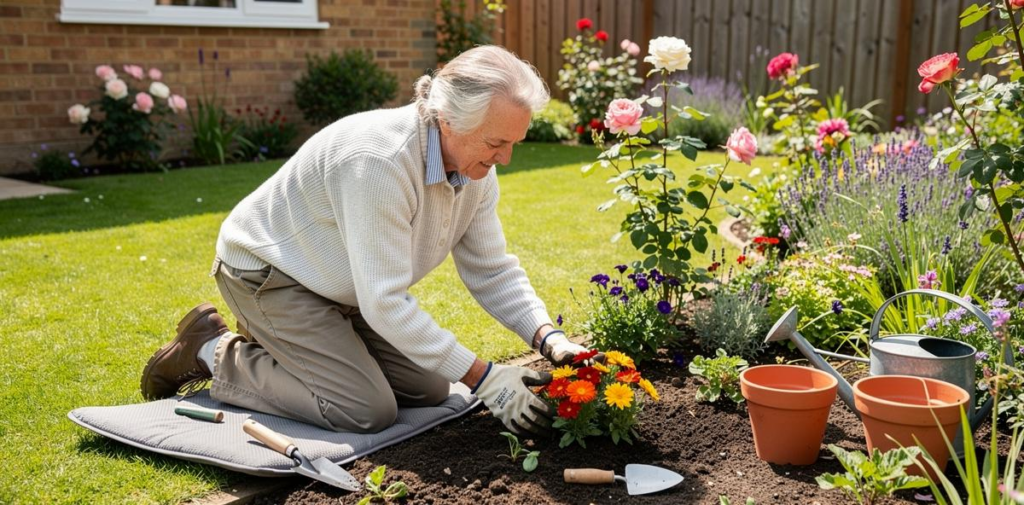
- going for a walk
- drinking more water
- improving your diet
- asking questions before treatment
- rebuilding strength after illness
- doing regular balance exercises
- getting enough protein
- resting properly
- reducing excess sugar
- spending less time sitting
Simple habits matter more than many people realise.
One of the Biggest Problems After 50
Many adults slowly become less physically involved in maintaining their own body.
They may rely more on:
- medications
- appointments
- procedures
- scans
- passive treatment
while moving less, sitting more, and gradually losing strength and confidence.
But the body still responds to movement and nourishment later in life.
A weaker body can become stronger.
A stiff body can become more mobile.
Poor stamina can improve.
Balance can improve with practice.
The body often wants to recover – if we continue giving it reasons to adapt.

Prevention Often Looks Ordinary
One reason prevention gets ignored is because it rarely looks exciting.
Prevention often looks like:
- regular walking
- standing up more often
- simple home exercises
- resistance band training
- healthy meals
- good sleep
- balance drills
- stretching
- staying socially connected
- consistent movement habits
These things may seem small, but over time they can completely change how well someone ages.
The Real Goal Is Capability
Good health is not only about living longer.
It is about staying:
- capable
- steady
- independent
- mentally sharp
- physically confident
Being able to:
- get out of a chair easily
- carry shopping
- walk confidently
- recover after illness
- travel
- enjoy hobbies
- remain socially active
- continue doing everyday tasks independently
These things matter deeply to quality of life.
Keep Well Reflection
Your body is not simply something to repair once problems appear.
It is a living system that responds to how it is treated every single day.
The earlier you take an active role in your own wellbeing, the better your chances of remaining strong, mobile, and independent later in life.
Even small positive changes matter.
And it is never too late to start taking better care of yourself.
Need Support Getting Started?
If you would like support improving your:
- strength
- stamina
- mobility
- balance
- nutrition
- confidence
- everyday wellbeing
Keep Well offers practical guidance designed specifically for adults aged 50+.
🌐 Keep Well Nutrition & Health
Stay well. Keep moving.
Are You Taking an Active Role in Your Health?
This quick quiz helps you reflect on how involved you are in your own wellbeing.

Research & Reference Sources
Healthy ageing & physical activity
- World Health Organization – Healthy Ageing
- NHS – Benefits of Exercise
- CDC – Physical Activity and Older Adults
Muscle loss, mobility & ageing
Prevention & lifestyle health
Sedentary behaviour & health risks
This article is intended for educational purposes and should not replace professional medical advice. Always speak with a qualified healthcare professional regarding medical concerns or treatment decisions.