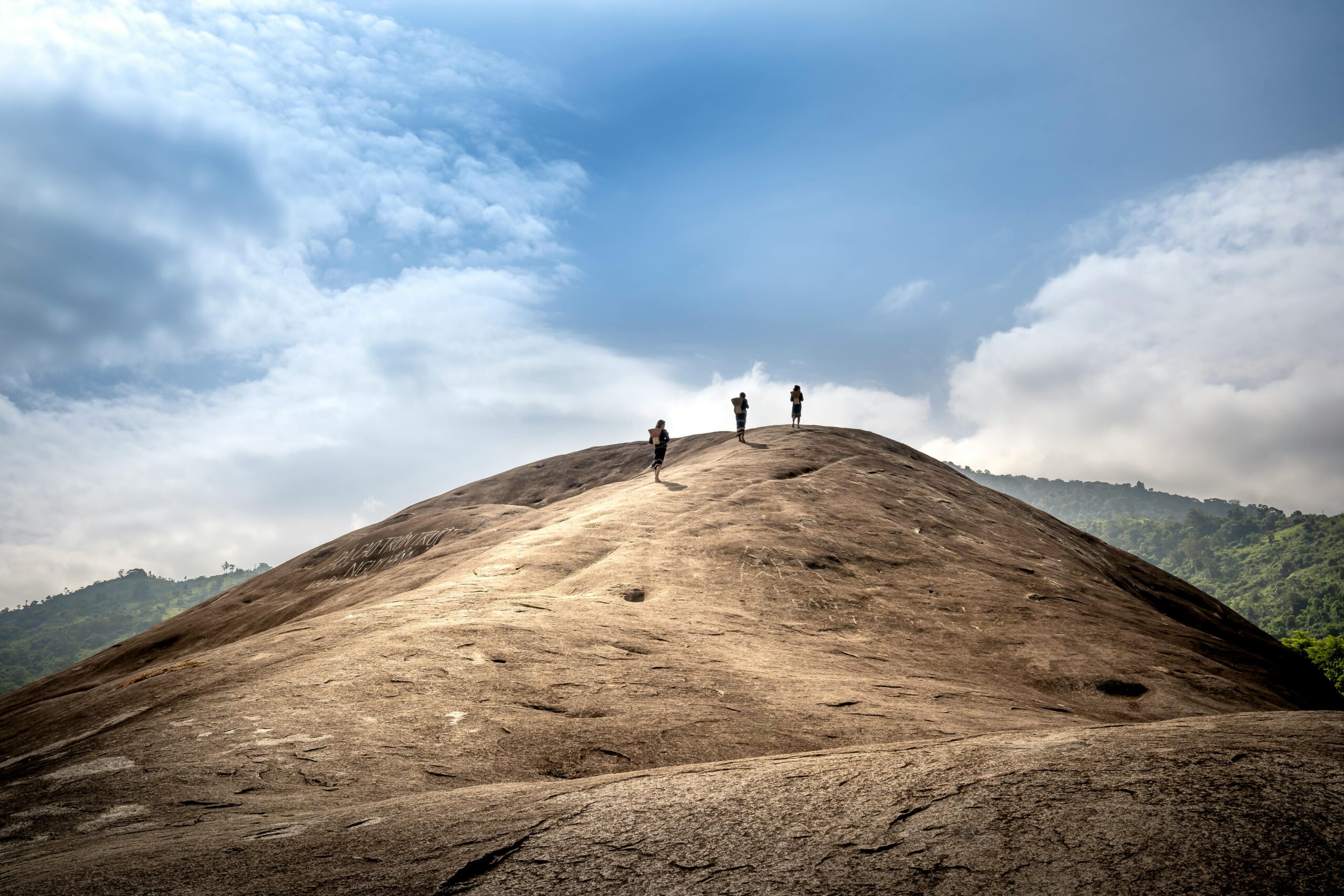

Growing older doesn’t mean slowing down as much as many people believe.
What often changes is stamina – the body’s ability to sustain effort without becoming exhausted too quickly.
Stamina isn’t about sprinting or pushing to extremes. It’s about having the energy reserve to move through the day comfortably, whether that’s walking, climbing stairs, gardening, or taking part in exercise classes.
In simple terms:
Stamina is your body’s ability to keep going.
And the encouraging part is that stamina can be improved at almost any age.
What Stamina Really Means
Stamina is the combination of several things working together in the body.
These include:
- The efficiency of your heart and lungs
- The endurance of your muscles
- Your body’s ability to produce and use energy
- Your mental resilience when effort increases
When these systems work well together, everyday activity feels easier and recovery is faster.
When stamina declines, even simple tasks can start to feel tiring.
The Three Parts of Stamina
Cardiovascular Stamina
This is the ability of your heart and lungs to supply oxygen to the muscles.
Good cardiovascular stamina means:
- Less breathlessness during activity
- Faster recovery after exertion
- Better circulation and heart health
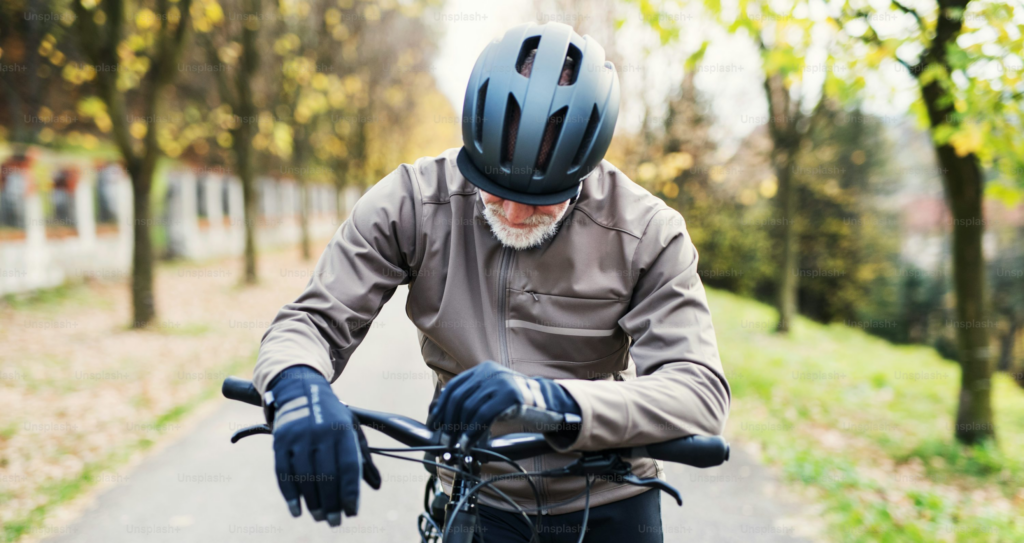
Activities that support this include walking, cycling, swimming, and steady aerobic exercise.
Muscular Stamina
Muscular stamina is your muscles’ ability to repeat effort over time.
This is important for everyday tasks such as:
- Standing up from a chair
- Carrying shopping
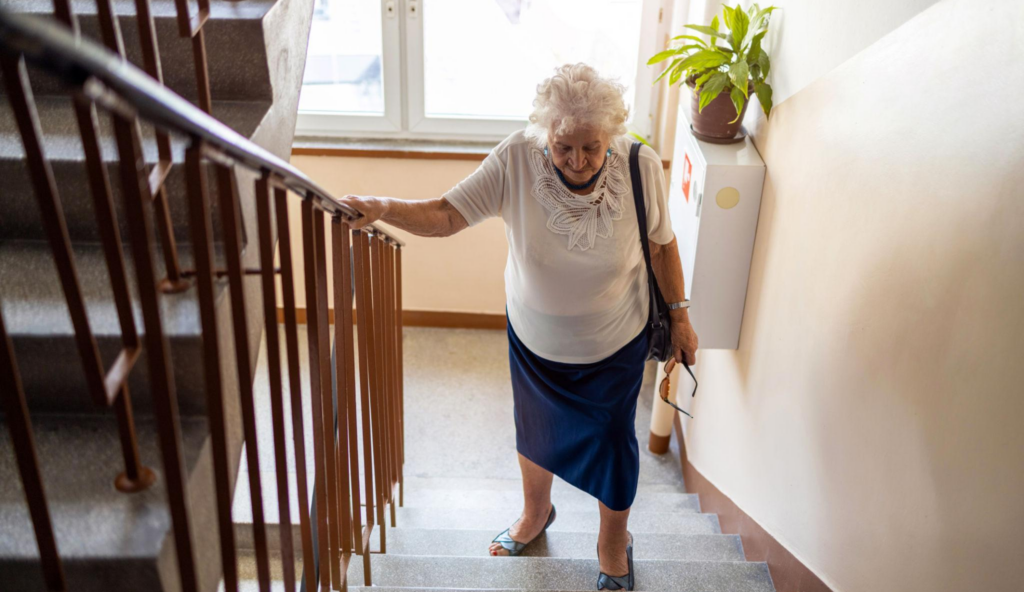
- Climbing stairs
- Gardening or housework
Resistance exercises using bodyweight, light weights, or resistance bands are excellent for building muscular stamina.
Mental Stamina
Mental stamina is often overlooked but plays a large role in physical performance.
It helps you:
- Stay consistent with activity
- Push gently through fatigue
- Maintain focus and motivation
Improving physical stamina often, strengthens mental resilience.
Why Stamina Declines With Age
Several factors can contribute to reduced stamina as we grow older.
These include:
- Reduced daily movement
- Gradual loss of muscle mass
- Lower cardiovascular conditioning
- Poor sleep or recovery
- Nutritional imbalances
However, one of the biggest influences is simply reduced physical challenge.
The body adapts to what it regularly does. If activity decreases, stamina gradually follows.
The Good News: Stamina Responds to Training
Even small improvements in activity can have a powerful effect on stamina.
Regular movement encourages the body to:
- Improve oxygen delivery
- Strengthen muscles
- Increase energy production
- Enhance recovery ability
This is why consistent, moderate exercise often produces noticeable improvements in how people feel day to day.
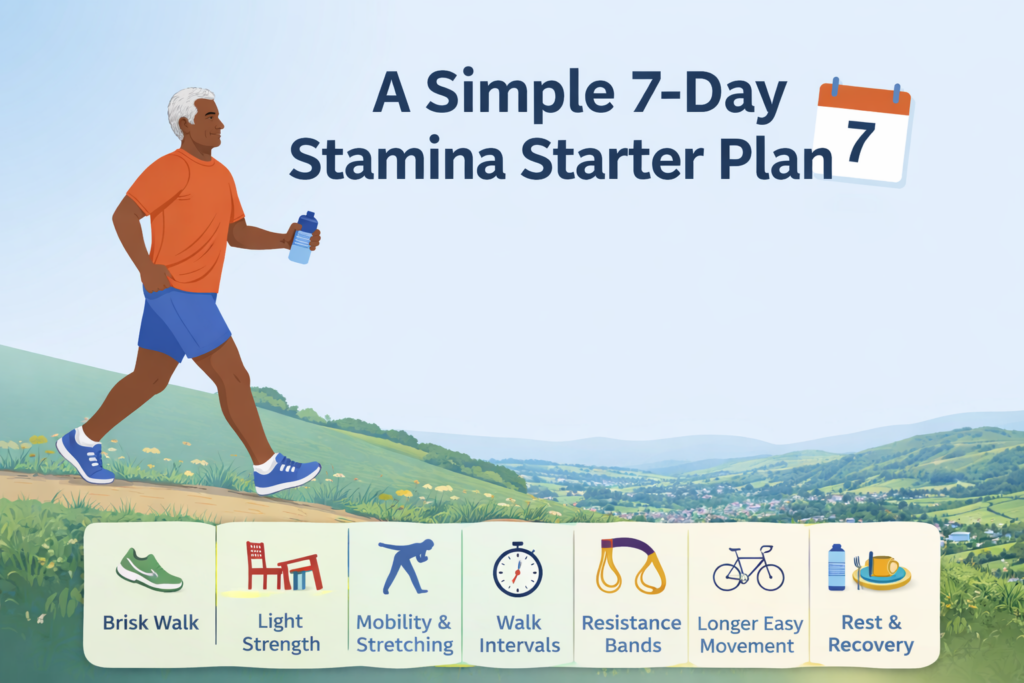
A Simple 7-Day Stamina Starter Plan
This gentle starter routine can help begin rebuilding stamina.
Day 1 – Brisk Walk
20–30 minutes at a comfortable but purposeful pace.
Day 2 – Light Strength Routine
- 10 sit-to-stands
- 10 wall push-ups
- 20 marching steps
Repeat three rounds.
Day 3 – Mobility and Stretching
15 minutes of gentle movement and flexibility work.
Day 4 – Walk with Intervals
During your walk:
- 1 minute faster pace
- 2 minutes steady pace
Repeat five times.
Day 5 – Resistance Band Exercises
Focus on controlled movements for both upper and lower body.
Day 6 – Longer Easy Movement
40–60 minutes steady walking or cycling.
Day 7 – Rest and Recovery
Focus on hydration, nutrition and sleep.
Nutrition and Stamina
Food plays a major role in energy levels.
A simple approach works best:
- Include protein at each meal
- Choose whole carbohydrates rather than refined sugars
- Stay well hydrated
- Avoid large sugar spikes that lead to energy crashes
Often, fatigue is related more to unstable energy levels than to age itself.
Signs Your Stamina Is Improving
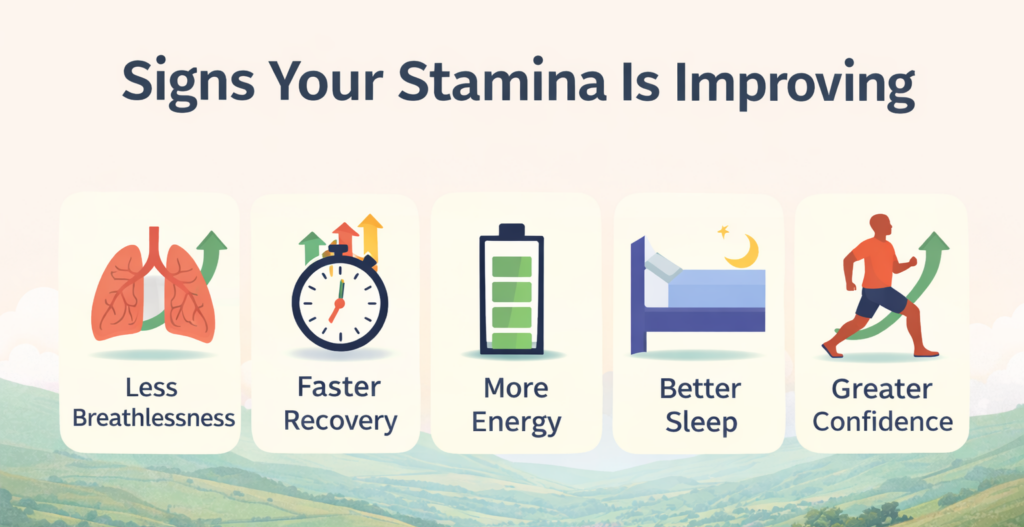
You may notice:
- Less breathlessness during activity
- Faster recovery between exercises
- More energy during the day
- Better sleep
- Greater confidence in movement
These are strong signs the body is adapting.
A Keep Well Perspective
Stamina isn’t about athletic performance.
It’s about having enough energy reserve to enjoy daily life.
Whether that means walking further, exercising comfortably, travelling, or simply feeling stronger in your body.
The encouraging truth is that stamina improves with consistent, sensible activity.
And it’s never too late to start building it.
If you’d like a clearer picture of your current stamina, strength and overall health, a Personal Wellness Review can help identify practical steps to move forward with confidence.